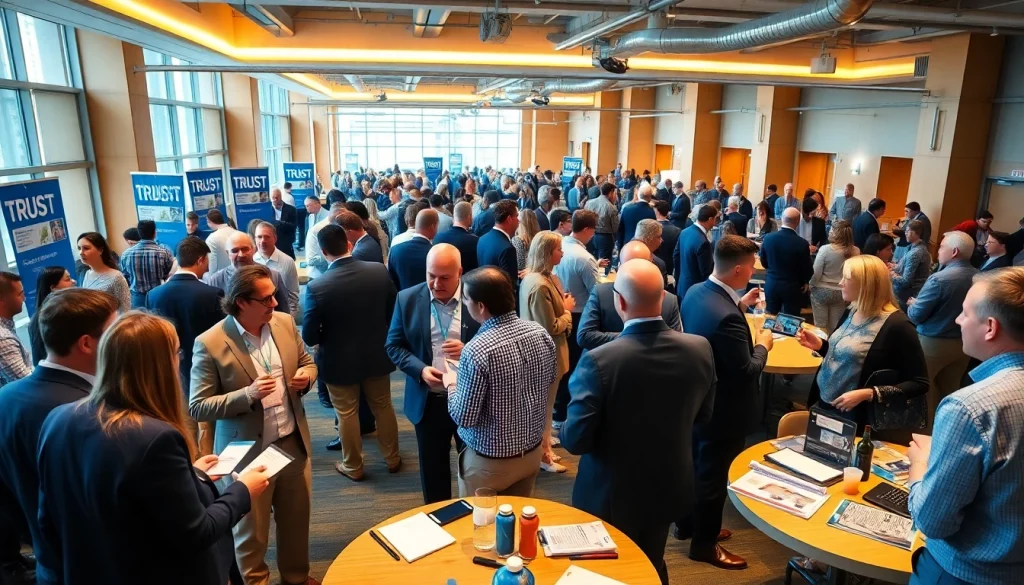
Understanding the Value of Construction Networking Events
In the world of construction, the importance of establishing and nurturing professional relationships cannot be overstated. Construction networking events serve as a strategic platform where industry professionals come together to exchange ideas, foster connections, and explore collaboration opportunities. These gatherings not only help individuals advance their careers but also play a crucial role in the growth and sustainability of businesses within the construction sector.
What Are Construction Networking Events?
Construction networking events are organized gatherings aimed at bringing together professionals from various disciplines within the construction industry. These events can take many forms, including conferences, trade shows, workshops, and informal meetups. The primary goal is to create an environment conducive to networking, allowing attendees to share insights, showcase their work, and connect with potential clients, partners, or mentors.
Key Benefits for Professionals
Attending construction networking events offers numerous benefits that extend beyond simply shaking hands and exchanging business cards. Here are some of the key advantages:
- Knowledge Exchange: Professionals can gain insights into the latest industry trends, technologies, and best practices through presentations and discussions.
- Building Relationships: Establishing strong professional relationships can lead to new job opportunities, partnerships, and collaborations.
- Market Visibility: Networking events enhance your visibility in the market, allowing you to showcase your skills and services to a targeted audience.
- Access to Resources: Many networking events provide valuable resources such as workshops, mentorship programs, and access to industry experts.
How Networking Fuels Business Growth
Effective networking is a cornerstone of business development in the construction industry. By participating in construction networking events, professionals can identify and seize new business opportunities. Here are a few ways in which networking contributes to business growth:
- Lead Generation: Events often attract potential clients looking for services, providing a direct avenue for lead generation.
- Partnership Development: Establishing connections with other professionals can lead to strategic alliances that enhance business capabilities.
- Market Insights: Networking allows businesses to stay informed about competitors and client needs, enabling better strategic planning.
- Create Referral Networks: Positive relationships can lead to referrals, saving substantial marketing costs and efforts.
Types of Construction Networking Events
Understanding the different types of construction networking events can help professionals decide which best suits their needs. Each type has its unique advantages:
Industry Conferences and Trade Shows
Industry conferences and trade shows are perhaps the most recognized forms of networking events. These large-scale gatherings often feature keynote speakers, panel discussions, and exhibition spaces where companies can showcase their latest products and technologies. Attendees can learn about innovations in materials and construction methods while networking with a wide array of industry professionals.
Regional Networking Meetups
Regional networking meetups are typically smaller and more informal than conferences. They focus on fostering local connections among professionals within a specific geographic area. These events provide an opportunity for community building and collaboration, often addressing local industry challenges and opportunities. They can also be a relaxed setting for sharing experiences and solutions.
Online Networking Platforms
With the rise of digital technology, online networking platforms have become increasingly common. These platforms allow professionals to connect and network virtually, breaking geographical barriers. Online events may include webinars, virtual meetups, and forums, enabling participants to engage in discussions, share insights, and create relationships regardless of their location.
Strategies to Engage at Networking Events
Effective networking requires preparation and a strategic approach. Here are several strategies to ensure you make the most of your experience at construction networking events:
Preparing an Effective Elevator Pitch
Your elevator pitch is a concise summary of who you are, what you do, and what interests you professionally. Crafting an effective pitch involves:
- Keep It Brief: Aim for 30 seconds to one minute, allowing time for dialogue.
- Highlight Your Unique Value: Focus on what sets you apart in the construction industry.
- Practice: Rehearse your pitch to ensure it sounds natural and confident.
Building Meaningful Connections
Networking is not just about quantity; it’s about quality. Building meaningful connections involves:
- Active Listening: Show genuine interest in what others have to say. Ask questions to deepen the conversation.
- Find Common Interests: Seek out shared experiences or mutual connections to foster a connection.
- Be Authentic: Present yourself genuinely, as authenticity attracts others.
Follow-Up Best Practices
Following up after an event is crucial to solidifying new connections. Best practices include:
- Send a Thank-You Note: Expressing gratitude for the conversation can leave a positive impression.
- Connect on Social Media: Send connection requests on platforms like LinkedIn to facilitate future interactions.
- Schedule a Meeting: If a connection seems promising, propose a follow-up meeting to discuss potential opportunities.
Measuring Success from Networking Events
To truly understand the impact of your networking efforts, it’s important to measure success. Here are key methods to assess your networking activities:
Tracking Networking Goals
Set specific networking goals before attending an event. These goals should be measurable, such as the number of new contacts made, the number of follow-up meetings scheduled, or specific leads generated. Tracking achievements against these goals provides insight into the effectiveness of your networking.
Evaluating Outcomes: Contacts vs. Contracts
While making new contacts is valuable, converting those contacts into contracts or business opportunities is the ultimate goal. Evaluate the quality of connections made and the outcomes from those interactions. Understanding the conversion rate from contacts to tangible business will help refine your networking strategy.
Feedback for Continuous Improvement
Gathering feedback from peers or mentors about your networking skills can reveal areas for improvement. Consider also recording your own reflections post-event. If certain tactics resonated or fell flat, use those insights to adjust your approach for future events.
Challenges and Solutions in Networking
Networking can be challenging for many professionals, especially those new to the field or who might identify as introverts. It’s essential to recognize and address common networking challenges:
Overcoming Introversion in Networking
Introverted individuals may find networking events overwhelming. Strategies to overcome this include setting specific goals for interactions, such as initiating conversation with just a few people, and approaching networking as an opportunity to learn rather than as a sales pitch. Additionally, practicing conversational skills in low-pressure environments can build confidence.
Navigating Unsupported Environments
Some networking events may feel unwelcoming or challenging to navigate. In such scenarios, it can be helpful to arrive with a companion, use name tags to spark conversations, or participate in organized activities that encourage interaction. Finding common ground with attendees can help ease initial discomfort.
Dealing with Competition
Being in the presence of competitors can create anxiety, but viewing them as colleagues rather than adversaries transforms your networking approach. Collaborating or discussing industry trends with competitors can uncover opportunities for alliances and partnerships.
FAQs
What are construction networking events?
Construction networking events are gatherings where industry professionals connect to discuss opportunities, share insights, and build relationships.
How can I prepare for a networking event?
Preparation involves researching attendees, crafting your elevator pitch, and gathering business cards to exchange.
Are online networking events effective?
Yes, online events provide accessibility and allow for connecting with a wider audience that may not attend in person.
What should I do after a networking event?
Follow up with new contacts via email or LinkedIn, expressing gratitude and interest in continuing conversations.
How can networking impact my business?
Networking opens doors to new leads, partnerships, and collaborations, ultimately enhancing business growth and visibility.