
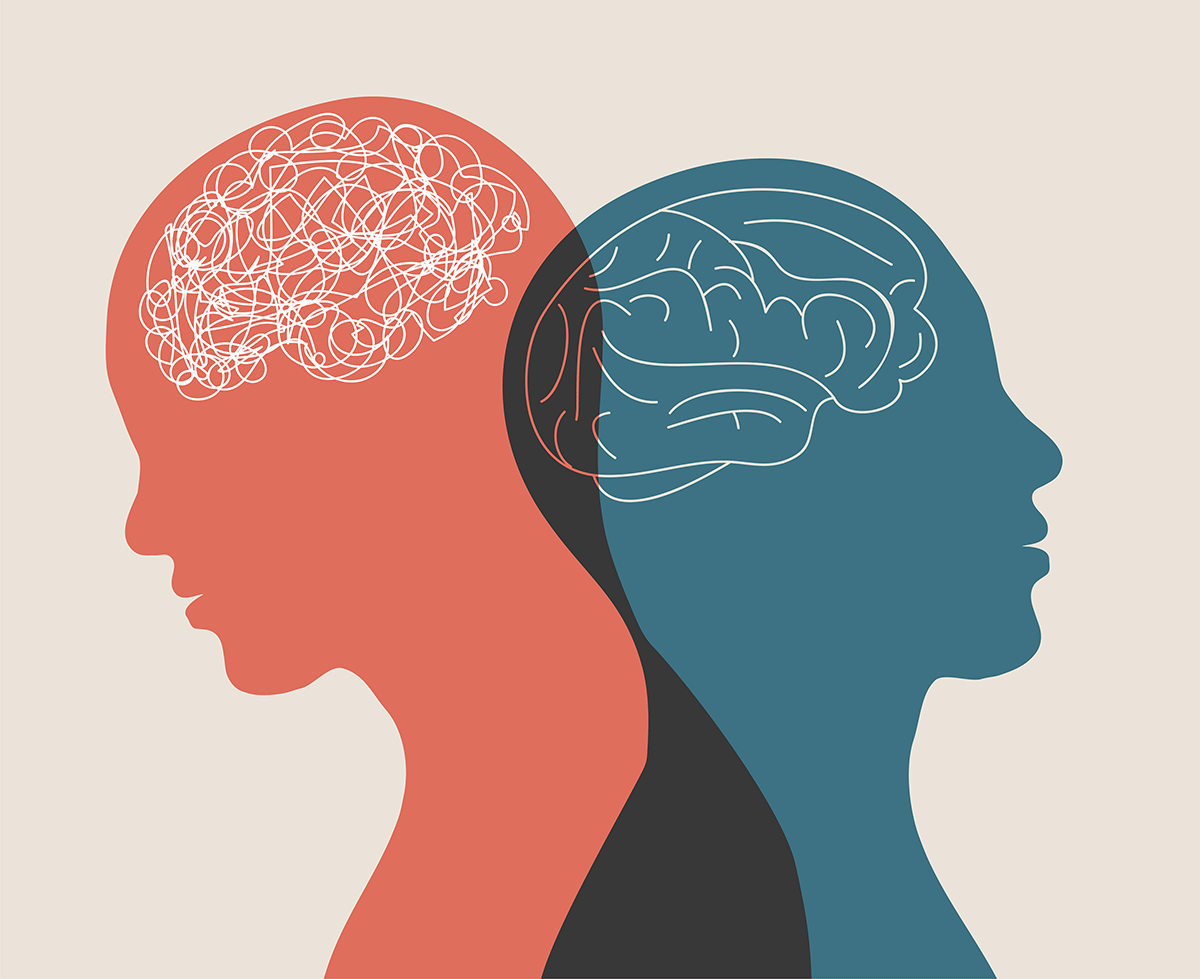
In today’s fast-paced world, maintaining emotional wellbeing is essential for living a balanced and fulfilling life. Stress and anxiety are common experiences, affecting people of all ages. Understanding Emotional wellbeing and implementing practical strategies can help manage stress, reduce anxiety, and improve overall mental health. This guide will provide actionable advice and evidence-based methods to support your emotional health while making it easy to apply in daily life.
- What is Emotional Wellbeing?
- Common Causes of Stress and Anxiety
- How Stress and Anxiety Affect Emotional Wellbeing
- Practical Strategies for Emotional Wellbeing
- Real-Life Examples of Emotional Wellbeing in Practice
- Everyday Habits to Support Emotional Wellbeing
- Emotional Wellbeing and Long-Term Health
- Building Emotional Resilience
- Integrating Emotional Wellbeing into Daily Life
- Conclusion
- FAQs
What is Emotional Wellbeing?
Emotional wellbeing refers to the ability to understand, manage, and express emotions in a healthy way. It includes maintaining a positive outlook, coping effectively with life’s challenges, and building strong relationships. People with good emotional wellbeing are better equipped to handle stress, make thoughtful decisions, and maintain meaningful connections with others.
Key Components of Emotional Wellbeing
- Self-awareness: Recognizing your emotions and understanding how they affect thoughts and behavior.
- Self-regulation: Managing your emotional responses, especially during stressful situations.
- Motivation: Staying focused on goals and maintaining a positive attitude despite setbacks.
- Empathy: Understanding the emotions of others and responding appropriately.
- Social connections: Building supportive relationships that promote mental and emotional health.
Common Causes of Stress and Anxiety
Stress and anxiety can stem from multiple factors. Recognizing their sources can help you manage them more effectively.
- Work or school pressures: Deadlines, exams, and performance expectations can trigger stress.
- Personal relationships: Conflicts or lack of support from family or friends can increase anxiety.
- Financial challenges: Concerns about money, debt, or expenses often create chronic stress.
- Health concerns: Chronic illness, injury, or uncertainty about health can affect emotional wellbeing.
- Major life changes: Moving, career transitions, or loss can trigger anxiety and emotional strain.
How Stress and Anxiety Affect Emotional Wellbeing
Stress and anxiety can disrupt emotional wellbeing by affecting mood, cognition, and physical health. Chronic stress may lead to irritability, difficulty concentrating, or feelings of helplessness. Anxiety can make everyday situations seem overwhelming, impacting decision-making and social interactions. Over time, unmanaged stress and anxiety may contribute to more serious mental health conditions, such as depression or panic disorders.
Practical Strategies for Emotional Wellbeing
Improving emotional wellbeing involves adopting habits that reduce stress and manage anxiety effectively. Here are several strategies supported by psychological research:
1. Practice Mindfulness and Meditation
Mindfulness involves paying attention to the present moment without judgment. Meditation can help calm the mind and reduce stress.
How to practice mindfulness:
- Focus on your breathing for 5–10 minutes daily.
- Observe your thoughts without reacting to them.
- Use guided meditation apps or videos to support consistency.
2. Engage in Regular Physical Activity
Exercise helps regulate stress hormones and improve mood by increasing endorphins.
Recommended activities:
- Walking or jogging for 20–30 minutes a day.
- Yoga or stretching exercises to relax muscles.
- Team sports or group fitness classes for social support.
3. Maintain Healthy Sleep Habits
Quality sleep is critical for emotional wellbeing. Poor sleep increases irritability and anxiety.
Tips for better sleep:
- Maintain a consistent sleep schedule.
- Avoid screens and bright lights before bedtime.
- Create a calm and comfortable sleep environment.
4. Develop Healthy Coping Mechanisms
Replacing harmful coping habits, such as overeating or substance use, with healthier strategies can enhance emotional wellbeing.
Effective coping methods include:
- Journaling thoughts and emotions to process feelings.
- Practicing deep breathing exercises during stressful moments.
- Engaging in hobbies that bring joy and relaxation.

5. Build Strong Social Connections
Supportive relationships act as a buffer against stress and anxiety.
Ways to strengthen connections:
- Spend time with trusted friends and family.
- Join support groups or community activities.
- Communicate openly about your feelings with loved ones.
6. Set Realistic Goals and Priorities
Managing expectations helps reduce stress and promotes a sense of accomplishment.
Goal-setting strategies:
- Break tasks into manageable steps.
- Focus on achievable objectives rather than perfection.
- Celebrate small victories to boost confidence.
7. Seek Professional Support When Needed
Therapists, counselors, and mental health professionals provide guidance for managing stress and anxiety effectively.
When to seek help:
- Persistent anxiety or stress interfering with daily life.
- Difficulty coping despite self-help strategies.
- Physical symptoms such as headaches, insomnia, or digestive issues related to stress.
Real-Life Examples of Emotional Wellbeing in Practice
- Case Study 1: Sarah, a high school student, struggled with exam anxiety. She implemented mindfulness exercises for 10 minutes each morning and started journaling her thoughts. Over time, she reported feeling calmer and more confident during exams.
- Case Study 2: John, a young professional, faced work-related stress. He joined a local soccer team to stay active and build social support. This combination of physical activity and community connection helped him manage stress more effectively.
Everyday Habits to Support Emotional Wellbeing
- Start the day with a positive affirmation to set a healthy mindset.
- Take short breaks throughout the day to prevent mental fatigue.
- Practice gratitude by noting three things you are thankful for each day.
- Limit exposure to negative news or social media that triggers anxiety.
- Eat a balanced diet rich in fruits, vegetables, and whole grains for brain health.
Emotional Wellbeing and Long-Term Health
Maintaining emotional wellbeing is not only essential for mental health but also for physical health. Chronic stress can increase the risk of cardiovascular disease, weaken the immune system, and contribute to digestive problems. By managing stress and anxiety effectively, you can improve your overall quality of life and resilience to life’s challenges.
Building Emotional Resilience
Emotional resilience is the ability to bounce back from adversity. Strengthening resilience can protect against stress and anxiety over time.
Ways to build resilience:
- Accept that setbacks are a natural part of life.
- Focus on problem-solving rather than blaming.
- Develop a growth mindset by learning from challenges.
- Practice self-compassion and avoid harsh self-criticism.
Integrating Emotional Wellbeing into Daily Life
Consistency is key to sustaining emotional wellbeing. Incorporate small, daily habits that support mental health:
- Start your morning with deep breathing or meditation.
- Take short walks or stretch breaks during work or school hours.
- Connect with friends or family regularly, even virtually.
- Reflect on your emotional state at the end of each day and plan improvements.
Conclusion
Emotional wellbeing is essential for living a balanced, fulfilling, and resilient life. By understanding stress and anxiety, implementing practical coping strategies, and fostering healthy relationships, you can enhance your mental and emotional health. Simple practices like mindfulness, physical activity, and social support can make a significant difference. Prioritize your emotional wellbeing, and over time, you will notice a calmer, more focused, and empowered version of yourself. Don’t stop here—our homepage has even more to explore.
FAQs
What is emotional wellbeing, and why is it important?
Emotional wellbeing is the ability to understand, manage, and express emotions in a healthy way. It is important because it helps you cope with stress, maintain meaningful relationships, and improve mental and physical health.
How can I reduce anxiety in daily life?
You can reduce anxiety by practicing mindfulness, engaging in regular physical activity, maintaining good sleep habits, and building supportive relationships. Professional help from a counselor or therapist can also be beneficial.
What are simple daily habits to improve emotional wellbeing?
Simple habits include journaling, practicing gratitude, taking short breaks, engaging in hobbies, connecting with loved ones, and maintaining a balanced diet and exercise routine.