Understanding Accent Walls and Their Purpose
What Are Accent Walls?
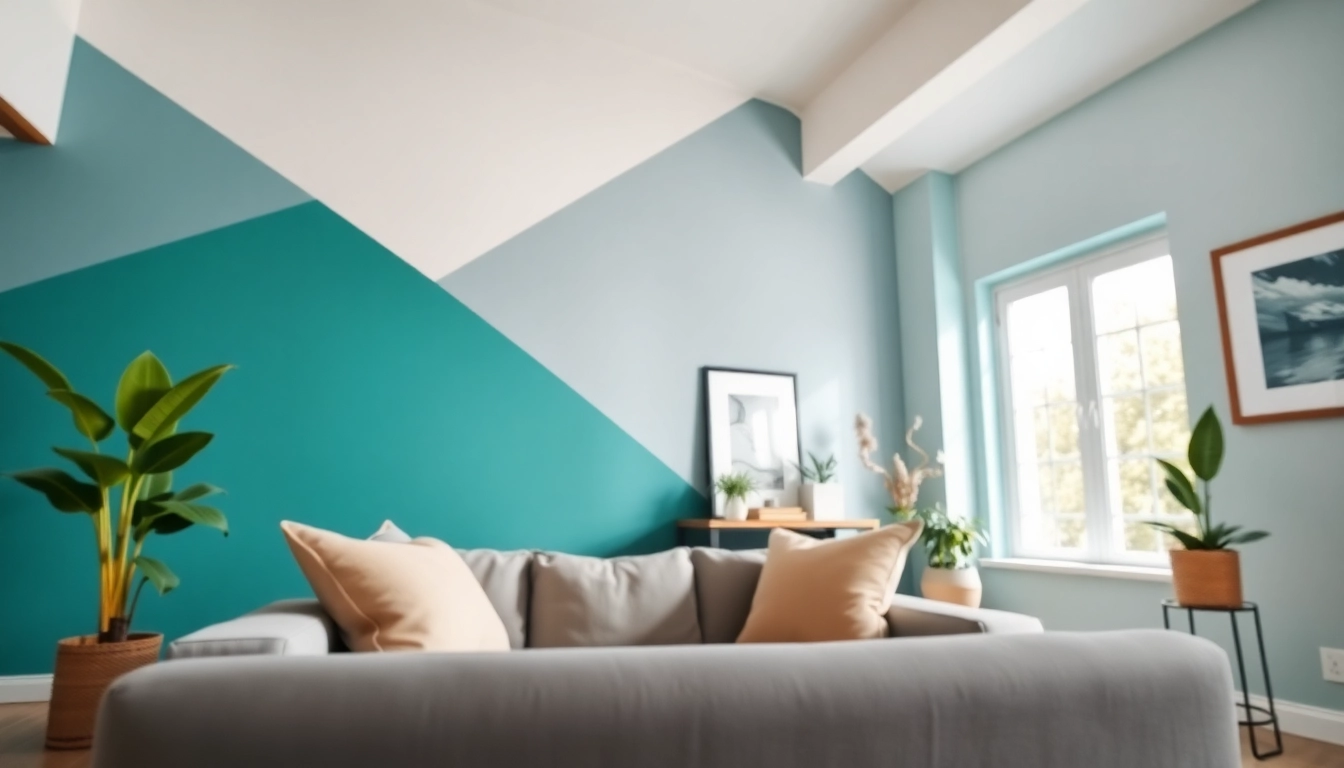
Accent walls serve as a captivating focal point in interior design, enhancing the aesthetic appeal of a space. Unlike standard walls, which often recede into the background, accent walls are deliberately designed to stand out, providing depth and character. Typically painted in a bolder color or adorned with unique textures or materials, these walls draw attention and create visual interest. Incorporating accent walls into your home can transform an otherwise ordinary room into a haven of style and personality.
Benefits of Accent Walls
Accent walls come with a myriad of benefits that go beyond mere decoration. They can:
- Enhance Visual Depth: By contrasting with other walls, accent walls give a room a three-dimensional look, making it feel larger and more inviting.
- Define Spaces: In open-concept layouts, accent walls can help delineate individual areas without the need for physical barriers.
- Showcase Art and Decor: They provide a vibrant backdrop for artwork and decorations, allowing them to pop.
- Express Personal Style: Whether you prefer bold colors, intricate patterns, or rustic textures, accent walls offer an opportunity to showcase your unique aesthetic preferences.
Choosing the Right Space for an Accent Wall
Not every room requires an accent wall, so careful consideration is essential when choosing the right space. Areas such as living rooms, bedrooms, and dining areas work wonderfully, as they are places where you want to create a significant impact. Ideal spots include:
- Main Living Area: An accent wall can act as a dramatic backdrop for furniture and art pieces in your main gathering space.
- Bedrooms: A bold shade behind the bed can add intimacy and warmth, enhancing the overall ambiance.
- Dining Rooms: An accent wall can set a relaxing mood, making meals feel more special.
Designing Your Accent Wall: Tips and Ideas
Color Selection for Accent Walls
Choosing the right color for your accent wall significantly influences the overall atmosphere of a room. Consider using a bold hue that contrasts with the other walls or a complementary shade that will harmonize with the space. For instance, deep blues can create a peaceful retreat in a bedroom, while vibrant reds can invigorate a dining area. When selecting colors, remember to consider:
- The natural light in the room
- The existing furniture palette
- The emotions you wish to evoke
Patterns and Textures to Consider
Patterns and textures can elevate your accent wall beyond a simple color change. Here are a few ideas to explore:
- Geometric Patterns: Painted or wallpapered designs can add modern flair.
- Wood Paneling: Creates warmth and a rustic feel, perfect for creating a cozy atmosphere.
- Fabric or Textile: Attach a luxurious fabric to create a unique textured finish that stands out.
Incorporating Accessories with Accent Walls
An accent wall offers an excellent opportunity to play with decor and accessories. Consider the following ideas for enhancing your accent wall:
- Artwork: A striking piece of art can be the centerpiece that draws the eye.
- Shelves: Floating shelves can add dimension while providing space for decorative items.
- Lamps: Use accent lighting to highlight the wall, creating an atmospheric glow.
DIY vs. Professional Installation of Accent Walls
DIY Accent Wall Techniques
Creating your own accent wall can be a rewarding and cost-effective project. Here are some DIY techniques to consider:
- Paint: A fresh coat of paint can quickly transform your wall. Use painter’s tape for straight lines and to protect adjacent surfaces.
- Wallpaper: Self-adhesive wallpaper is an excellent option for a dramatic effect without long-term commitment.
- Wall Art Panels: Install wood, metal, or fabric panels for a unique look that is entirely customizable.
When to Hire a Professional
While DIY projects can be fun, some situations call for professional assistance. Consider hiring a professional when:
- You are dealing with intricate designs or patterns that require precision.
- The project involves significant structural changes.
- You are uncertain about your painting or installation skills.
Cost Considerations for Installation
The cost of installing an accent wall can vary widely. For DIY projects, materials such as paint, wallpaper, or wood panels can cost anywhere from $50 to $200, depending on quality and style. Hiring professionals can significantly increase expenses due to labor, leading to total costs ranging from a few hundred to thousands of dollars depending on size and complexity. Always budget and plan according to your needs.
Maintaining Your Accent Walls for Longevity
Cleaning and Care Tips
To preserve the beauty of your accent wall, regular cleaning and care are essential. Depending on the materials used, here are general maintenance tips:
- Paint: Wipe down with a damp cloth to remove dust and stains. Avoid harsh cleaners that could strip paint.
- Wallpaper: Use a gentle cleaner to manage stains without damaging the paper.
- Wood: Dust regularly and use wood polish for a fresh look.
Touch-Up Solutions for Accent Walls
Minor scuffs and marks are inevitable over time. Keep a small supply of leftover paint or wallpaper handy for quick touch-ups. This ensures continuity and keeps your accent wall looking fresh without the need for a complete overhaul.
Trends and Updates for Refreshing Your Accent Wall
Trends in home decor change, and your accent wall can be easily updated to reflect these shifts. Some current trends include:
- Neutral Shades: Soft grays and beige tones are gaining popularity for a sophisticated touch.
- Nature-Inspired Motifs: Utilizing natural materials like reclaimed wood or stone adds organic beauty.
- Bold Statements: Large-scale artwork or murals can create a dramatic visual impact.
Frequently Asked Questions About Accent Walls
Can I use any color for an accent wall?
Yes, you can use any color, but consider its effect on the space and the mood you want to create. It’s essential to complement other colors in the room.
What types of materials can I use?
Options include paint, wallpaper, wood paneling, brick, fabric, or even stone. The choice often depends on your desired aesthetic and budget.
How do I choose the right wall for an accent?
Select a wall that draws attention naturally, such as one behind the main furniture piece or an architectural feature, to maximize impact.
Are accent walls still in style?
Yes! Accent walls remain a popular design choice, allowing for creativity and personalization in interior spaces.
How can I make my accent wall pop?
Using contrasting colors, integrating textures, or highlighting it with decor can create a striking visual. Lighting also plays a vital role in accentuating your wall.