Understanding Custom Steel Fabrication
Custom steel fabrication is a critical process that combines modern technology and traditional craftsmanship to create structures, components, and systems tailored to specific requirements. This specialized technique of molding, cutting, and assembling steel parts plays a pivotal role in various industries, making it an essential topic for anyone involved in construction, manufacturing, or design. Understanding the ins and outs of custom steel fabrication helps businesses optimize their projects, reduce costs, and enhance overall output quality.
Defining Custom Steel Fabrication
At its core, custom steel fabrication refers to the process of designing and constructing metal components specifically tailored to meet individual client needs. Unlike standard manufacturing processes, custom fabrication often involves detailed specifications and unique designs that traditional methods cannot accommodate. This involves working with various steel shapes, sizes, and grades to produce components for different applications, from structural beams to intricate architectural features.
Importance in Various Industries
The significance of custom steel fabrication extends across numerous sectors. In construction, for example, it allows architects to implement innovative designs that enhance aesthetic appeal and structural integrity. Industries like automotive and aerospace benefit from precision-engineered components that conform to exacting standards, ensuring safety and functionality. Moreover, manufacturing sectors leverage custom fabrication to streamline production processes, allowing for the efficient creation of machinery and tools tailored to specific tasks.
Key Processes Involved
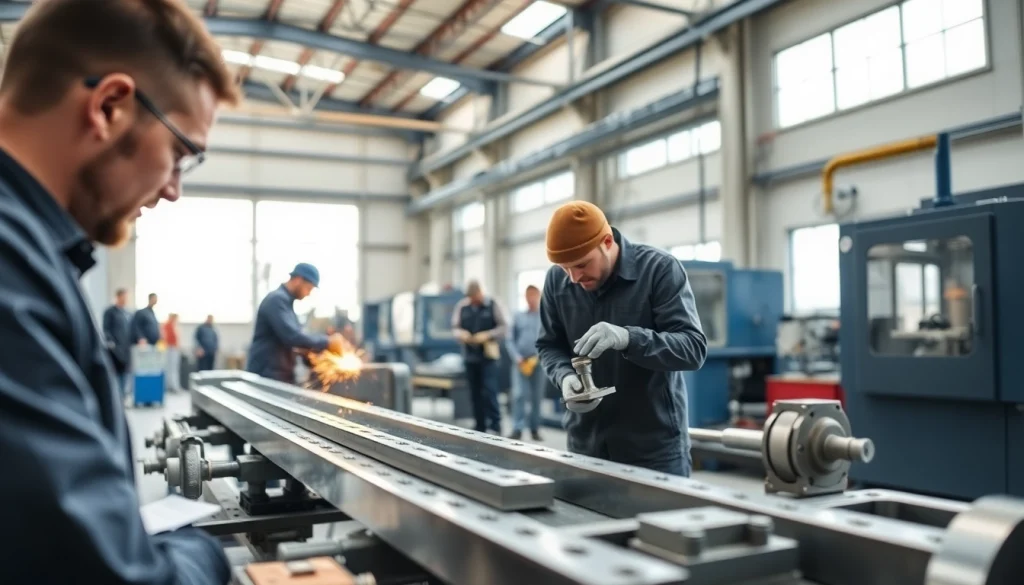
Custom steel fabrication encompasses several key processes, including design, cutting, shaping, welding, and finishing. Each step is vital in ensuring the final product meets both quality and functional standards. From initial CAD drawings to the final assembly and inspection, every stage requires skilled labor and advanced technology to achieve optimal results.
Materials Used in Custom Steel Fabrication
Different Types of Steel Alloys
Steel alloys form the backbone of custom steel fabrication. The most common types include carbon steel, stainless steel, and alloy steel, each with unique properties suited to specific applications. Carbon steel, known for its strength and durability, is widely used in construction and manufacturing. Stainless steel, featuring corrosion resistance, is integral in environments exposed to moisture, such as kitchens and outdoor structures. Alloy steel, enhanced with other elements, offers tailored benefits, such as increased toughness or resistance to wear.
Choosing the Right Material
Selecting the appropriate steel alloy is critical for projecting success. Factors to consider include the environmental conditions where the product will be used, the required strength and durability, and any specific codes or standards that must be met. Engaging with an experienced fabricator can facilitate the selection of materials that align with your project’s goals while ensuring compliance with all relevant regulations.
Material Handling Best Practices
Effective material handling practices are essential in custom steel fabrication. Proper storage, handling, and transportation help minimize damage and wastage. Steel should be stored in dry conditions to prevent rust and corrosion, while lifting equipment should be used to avoid physical damage during movement. Additionally, maintaining a clean workspace ensures that contamination—such as dirt, dust, or moisture—does not compromise the quality of the metal or the final product.
Techniques in Custom Steel Fabrication
Cutting Technologies Explained
Cutting is one of the foremost processes in custom steel fabrication. Several technologies exist to perform this function, including laser cutting, waterjet cutting, and plasma cutting. Laser cutting offers precision and speed, making it ideal for intricate designs. Waterjet cutting employs high-pressure water to slice through steel without generating heat that could alter metal properties. Plasma cutting, by using ionized gas, allows for rapid cuts in thicker materials, making it suitable for heavy-duty applications.
Welding Methods for Precision Joining
Welding is integral to custom steel fabrication, enabling the joining of distinct metal parts into a single cohesive unit. Various methods are employed, including MIG (Metal Inert Gas) welding, TIG (Tungsten Inert Gas) welding, and stick welding. MIG welding is often favored for its speed and adaptability, making it suitable for thicker materials. TIG welding provides a higher-quality finish, ideal for intricate and aesthetic applications. Understanding the different techniques allows fabricators to choose the most appropriate method based on material type, thickness, and intended use.
Finishing Techniques for Quality Assurance
Finishing processes enhance the final appearance and durability of fabricated steel products. Techniques may include grinding, sandblasting, and applying protective coatings. Grinding ensures edges are smooth and safe, while sandblasting can remove imperfections and prepare surfaces for painting or coating. Protective coatings, ranging from paints to galvanizing, offer added resistance against environmental factors like corrosion and rust, extending the life of the product.
Applications of Custom Steel Fabrication
Construction and Architectural Elements
In the construction and architectural realms, custom steel fabrication is crucial for creating structural components such as beams, columns, and frames. These elements provide strength to buildings, bridges, and other constructions, allowing for innovative designs that traditional materials may not achieve. Architectural steel, often used for facades or decorative elements, combines functionality with aesthetic appeal, showcasing the versatility of fabricated steel.
Automotive and Aerospace Components
The automotive and aerospace industries rely heavily on custom steel fabrication for the production of components that require rigorous standards in quality and safety. From engine parts covered under strict regulatory guidelines to structural frames in airplanes, precision and reliability are paramount. Fabrication techniques must be carefully controlled to meet performance standards and ensure the safety of end-users.
Industrial Equipment Manufacturing
In the realm of industrial equipment, custom steel fabrication enables the production of tools, machinery, and components tailored for specific manufacturing processes. These products must withstand harsh conditions and heavy usage, often made using high-strength materials that can endure wear and tear. Custom fabrication also allows for the creation of equipment necessary for specialized tasks, enhancing productivity and efficiency across manufacturing operations.
Choosing a Custom Steel Fabrication Partner
Criteria for Selecting a Service Provider
Identifying the right partner for custom steel fabrication is vital for project success. Key criteria include the service provider’s experience, expertise, and capability to meet your specific needs. Look for companies with a strong portfolio showcasing previous work and satisfied clients. Additionally, ensure they have the necessary certifications and adhere to safety and quality standards relevant to your industry.
Evaluating Quality and Expertise
Evaluation of quality should be rigorous, focusing on both the processes employed and the final outputs. Inquire about the techniques and technologies used in fabrication, as well as quality assurance measures established within the company. Engaging in discussions about past projects can provide insight into their problem-solving abilities and adaptability. Investing time in evaluating potential partners can yield long-term benefits in quality and performance.
Building Long-Term Partnerships
Establishing a long-term partnership with a custom steel fabrication provider can lead to improved efficiency, cost savings, and enhanced innovation. A rapport built on collaboration fosters better communication, ensuring your evolving needs are met as projects progress. Close relationships can lead to unique insights and innovations in material use, design, and production techniques, ultimately enhancing the value derived from the partnership.