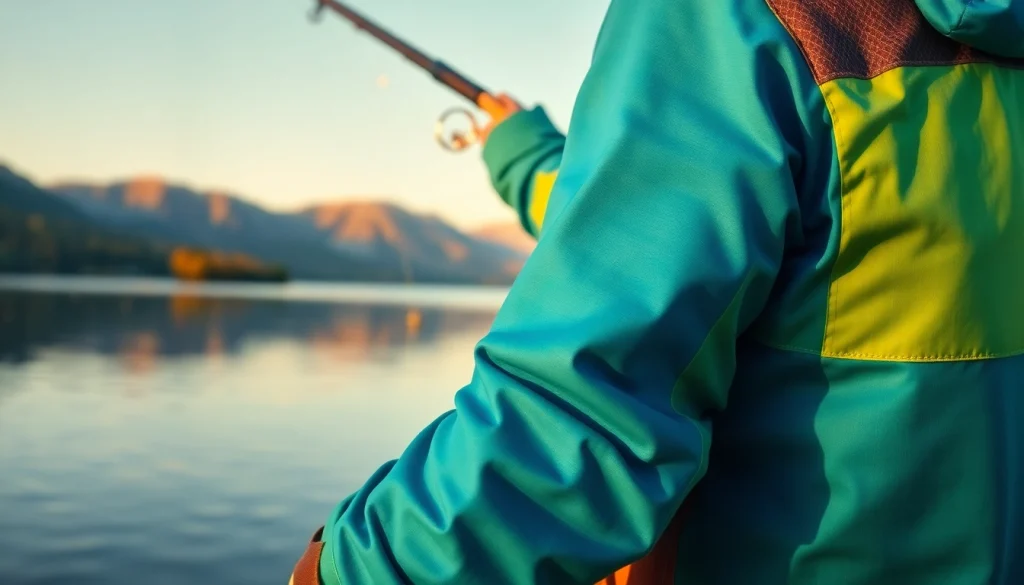
The Essentials of Fly Fishing Apparel
Embarking on a fly fishing adventure is not only about mastering the art of casting; it’s also about selecting the right gear—especially when it comes to fly fishing apparel. The right clothing can enhance your experience, providing comfort, protection from the elements, and even improving your performance on the water. In this guide, we’ll explore the essentials of fly fishing apparel and how to choose the best gear for your needs.
Understanding Different Fabrics
The fabric of your fly fishing clothing plays a crucial role in your overall comfort and protection. Different materials offer varying benefits that are essential to consider when preparing for a day on the water:
- Nylon and Polyester: These synthetic fabrics are lightweight, quick-drying, and highly durable, making them ideal for shirts and pants. They often feature moisture-wicking properties, which keep sweat away from your skin.
- Merino Wool: A natural fiber known for its insulation and temperature-regulating properties, merino wool is excellent for colder conditions. It also maintains odor resistance, which is a bonus during long fishing trips.
- Neoprene: Used primarily in waders and footwear, neoprene provides insulation and waterproof properties, keeping you warm and dry even in challenging environments.
- Gore-Tex and Similar Membranes: These high-performance fabrics are used in jackets and some pants, providing excellent waterproofing while allowing for breathability. This ensures that you stay dry from both the rain and sweat.
Weather Considerations
Weather conditions can drastically change your fly fishing experience, making it essential to consider local climate patterns when selecting your apparel. Here are some key considerations:
- Heat and Sun Protection: On sunny days, opt for light-colored, long-sleeve clothing that provides UV protection to shield your skin from harmful rays. A wide-brimmed hat and polarized sunglasses are also beneficial.
- Cold and Windy Conditions: For cooler weather, layering is vital. Start with a moisture-wicking base layer, add an insulating mid-layer such as fleece, and top it off with a waterproof and windproof shell.
- Rain and Humidity: Invest in high-quality rain gear; waterproof jackets with ventilation allow for comfort in humid conditions. Remember to check if the waders you choose are breathable for added comfort during warm days.
Layering Techniques
Understanding how to layer your fly fishing apparel can significantly enhance your comfort and performance. Here’s how to build an effective layering system:
- Base Layer: This layer should be snug and moisture-wicking to help keep sweat off your skin. Fabrics like polyester or merino wool are excellent choices.
- Insulating Layer: Your mid-layer needs to trap body heat, with options including fleece or down. This layer should be easy to remove and put back on as temperatures fluctuate.
- Outer Layer: A waterproof and windproof shell is essential for protecting you from the elements. It should be breathable to prevent overheating during exertion.
Finding the Right Fit
A well-fitting fly fishing outfit can make all the difference in terms of comfort and movement. Here are some strategies for ensuring you get the right size and style:
Measuring Your Size
Getting the right fit starts with taking proper measurements. Here’s a quick guide:
- Chest: Measure around the fullest part of your chest, keeping the tape level under your arms.
- Waist: Measure around your natural waistline, which is typically just above your belly button.
- Inseam: Measure from the top of your inner thigh down to your ankle for an accurate pant fit.
Choosing the Right Style
When selecting styles, consider both functionality and personal taste. Here are some popular choices:
- Fishing Shirts: Lightweight, long-sleeve shirts with sun protection and ventilation are excellent for warm conditions.
- Convertible Pants: These versatile pants can zip off into shorts, adapting to changing temperatures throughout the day.
- Waders: Depending on your fishing style, you can choose between chest, waist, or hip waders, ensuring they fit properly to avoid leaks.
Fit for Movement
Your fly fishing apparel should support freedom of movement. Look for clothing with stretchable materials or articulated designs that allow for bending, casting, and wading without restriction. The fit should not be too tight or overly loose; consider trying items on with the layers you intend to wear.
Top Brands for Fly Fishing Apparel
With numerous brands in the market, finding the right label can feel overwhelming. However, some brands consistently stand out in quality and performance:
Brand Comparisons
When it comes to fly fishing apparel, several brands have established themselves as leaders. Here are some noteworthy mentions:
- Simms: Renowned for their high-quality waders and innovative designs, Simms apparel is a favorite among serious anglers.
- Orvis: Offering a wide range of fly fishing clothing, Orvis combines style with functionality, perfect for casual and competitive fishing.
- Patagonia: Advocating for sustainability, Patagonia offers durable apparel that aligns with environmentally-conscious anglers.
- Columbia: Known for affordable options, Columbia features reliable outdoor apparel with excellent sun protection and moisture management.
User Reviews and Ratings
Before you make a purchase, it’s always wise to check user reviews and ratings. Look for insights about comfort, durability, and performance in various conditions. Research not only helps you identify top-rated items but also warns you of potential issues. Websites often show customer feedback that can be a valuable resource for making informed decisions.
Price Ranges and Quality
Quality often correlates with price, though there are exceptions. Here’s a typical breakdown of price ranges you can find in fly fishing apparel:
- Budget Items: $50 – $100, suitable for beginners who want basic quality.
- Mid-Range: $100 – $250, for enthusiasts who seek good performance and durability.
- High-End: $250 and above, catering to serious anglers looking for the best quality and advanced features.
Keep an eye out for sales, especially during off-seasons, as many brands will offer discounts on previous seasons’ styles.
Maintenance and Care for Your Apparel
Washing Instructions
Always refer to the care label on your apparel for specific instructions, but in general:
- Use cold water and mild detergent designed for technical fabric.
- Avoid fabric softeners, as they can leave a residue that reduces performance.
- Air-dry when possible or put items on low heat in the dryer to maintain their shape.
Repairing Damages
Wear and tear is common, particularly in rugged outdoor conditions. Here’s how to manage damages:
- Patching Waders: Use repair adhesive designed for neoprene or Gore-Tex to seal small leaks.
- Threadbare Areas: Sew small holes or use fabric patches to extend the life of your garments.
- For significant damage, consider reaching out to specialized repair services that can restore high-end gear to prime condition.
Storage Tips
How you store your fly fishing apparel can impact its longevity:
- Store waders hanging or loosely folded in a dry place to prevent creasing.
- Keep clothing away from direct sunlight to avoid fading and degradation of the fabric.
- Use breathable garment bags for storing technical apparel, preventing mildew formation in humid conditions.
Where to Buy Quality Fly Fishing Apparel
Finding quality fly fishing apparel involves knowing where to shop. Here are some pointers:
Online Retailers vs. Physical Stores
Online shopping allows for a wider selection and often better prices. However, physical stores provide the advantage of trying on items. Consider both options:
- Online: Look for reputable websites with good return policies to ensure you can return items that don’t fit.
- Physical Stores: Visiting local shops gives you the opportunity to feel fabrics and try on various styles.
Seasonal Sales and Discounts
Timing your purchases can lead to significant savings. Key times include:
- End-of-Season Sales: Purchase last season’s styles at a discount.
- Holiday Sales: Black Friday and other holidays often see major discounts.
- Clearance Events: Specialty retailers frequently run clearance sales to make space for new inventory.
Local Specialty Shops
Support your local fishing shops, which often have knowledgeable staff and carry specialized items. They can provide invaluable advice on the best apparel for your specific region and fishing conditions.