
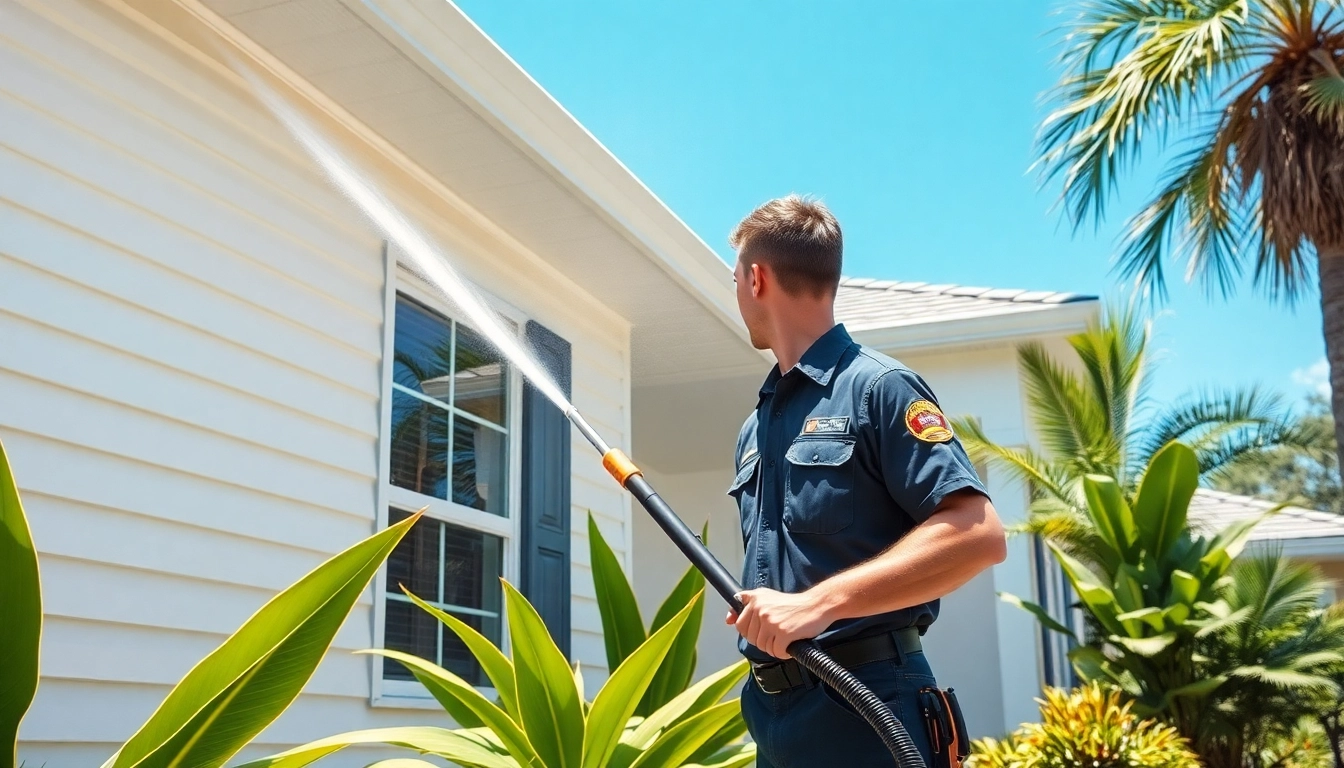
Understanding Soft Wash: The Essentials
In the world of exterior cleaning, understanding the methods available can significantly impact the outcome of your property’s appearance and maintenance. One such method that has gained popularity is soft wash, a technique that uses gentle yet effective cleaning solutions to restore surfaces without the risk of damage associated with traditional pressure washing. This article delves into what soft washing involves, its benefits over traditional methods, and how it can be an ideal cleaning solution for your home or commercial space.
What is Soft Washing?
Soft washing is a cleaning method that utilizes low-pressure water combined with biodegradable cleaning agents. Unlike pressure washing, which can use high-pressure streams to remove dirt and debris, soft washing is designed to clean delicate surfaces like roofs, siding, and windows without causing any harm. The cleaning solutions penetrate the surface, effectively breaking down contaminants such as mold, mildew, and algae, which are then rinsed away, restoring the surface's original look.
How Soft Washing Differs from Traditional Pressure Washing
The key distinction between soft washing and traditional pressure washing lies in the pressure used. Pressure washing relies on high-pressure water jets to expel dirt and grime, which can sometimes lead to damage, especially on soft materials or older surfaces. Soft washing, in contrast, employs low-pressure water and a chemical solution, minimizing the risk of damage while ensuring a thorough clean. This makes it particularly suitable for sensitive areas like roofs, where high pressure could dislodge shingles or other components.
Benefits of Choosing Soft Wash for Your Home
- Damage Prevention: Because of its low-pressure approach, soft washing minimizes the risk of damaging delicate surfaces.
- Long-lasting Results: The chemical solutions used in soft washing provide a deep clean that not only removes dirt but also prevents regrowth of mold and algae.
- Eco-Friendly: The biodegradable cleaning agents used are safer for the environment and your landscaping.
- Improved Curb Appeal: A clean exterior enhances the aesthetic appeal of your home or business, potentially increasing property value.
Key Soft Wash Techniques for Optimal Results
Preparing Your Home for Soft Washing
Preparation is crucial for effective soft washing. Before the process begins, it is essential to clear the area of any furniture, planters, and decorations that could obstruct access to the surfaces being cleaned. Additionally, ensure that windows and doors are securely closed to prevent any water or cleaning solution from entering the property.
Best Equipment and Solutions for Soft Washing
High-quality equipment is vital for achieving optimal results in soft washing. This includes low-pressure washers that can operate at around 100 to 150 psi, specialized nozzles designed for soft washing, and a variety of eco-friendly cleaning solutions tailored to specific surfaces. Investing in good equipment not only improves cleaning efficiency but also helps in achieving consistent results.
Step-by-Step Soft Washing Process
- Assessment: Evaluate the surfaces to determine the appropriate cleaning methods and solutions.
- Preparation: Prepare the surrounding area and ensure safety measures are in place.
- Application: Apply the cleaning solution using a low-pressure spray, allowing it to dwell for the time specified by the manufacturer, typically 10-15 minutes.
- Rinse: Rinse the area thoroughly with low-pressure water to wash away dirt and cleaning agents.
- Post-Cleaning Inspection: Check for any remaining stains or areas that may require additional attention.
Common Misconceptions About Soft Washing
Is Soft Washing Safe for All Surfaces?
Many homeowners question the safety of soft washing for various surfaces. Generally, soft washing is safe for most surfaces, including roofs, siding, and decks, due to its gentle nature. However, it is always advisable to consult with a professional to ensure that the method is suitable for specific materials, especially those that are more fragile.
Debunking Myths about Soft Washing Cost
One common misconception is that soft washing is more expensive than traditional pressure washing. While it may appear so upfront, the long-term benefits, such as reduced risk of damage and prolonged cleanliness, often make it a more cost-effective solution. Additionally, the use of eco-friendly solutions can lead to savings on repairs and maintenance over time.
Understanding Eco-Friendly Practices in Soft Washing
Eco-friendliness is a significant advantage of soft washing. The biodegradable products used not only ensure a thorough clean but also minimize the environmental impact. These practices align with an increasing consumer preference for sustainable and responsible cleaning methods, making soft washing a smart choice for today’s eco-conscious homeowner.
Choosing the Right Soft Wash Service Provider
What to Look for in a Soft Wash Company
Choosing the right service provider is crucial for achieving the best results. Look for a company that specializes in soft washing, possesses the appropriate certifications, and is equipped with the latest technology. A reputable provider should also offer transparent pricing and be willing to share references or testimonials from previous clients.
Questions to Ask Before Hiring a Soft Wash Service
When interviewing potential service providers, consider asking the following questions:
- What types of surfaces do you specialize in?
- Can you provide references from past clients?
- Do you have insurance and proper licensing?
- What cleaning solutions do you use, and are they environmentally friendly?
- What warranties or guarantees do you offer for your services?
Reading Reviews and Testimonials for Peace of Mind
Consumer reviews and testimonials can provide valuable insights into the quality of service offered by a soft wash company. Look for feedback regarding their professionalism, quality of work, and customer service. A well-reviewed company typically indicates a strong reputation and a commitment to customer satisfaction.
The Future of Soft Washing: Trends to Watch in 2025
Innovations in Soft Wash Technology
The soft washing industry is poised for growth, driven by technological advancements. New equipment designs, including battery-operated soft wash systems, are making it easier to access hard-to-reach areas while ensuring effective cleaning. Innovations in cleaning solutions are also emerging, with a focus on enhancing efficacy without harming the environment.
The Growing Demand for Eco-Friendly Cleaning Solutions
As environmental awareness increases, so does the demand for eco-friendly cleaning solutions. Soft washing aligns perfectly with this trend, as its use of biodegradable products appeals to consumers looking to reduce their ecological footprint. Companies that adapt to this demand will likely be at the forefront of the soft washing market.
How Soft Washing Adapts to Seasonal Changes
The changing seasons can affect how and when soft washing services are utilized. In colder climates, winter preparation may require soft washing to prevent ice dams, while spring cleaning is an ideal time to refresh exteriors after winter weather. Understanding these seasonal demands will enable service providers to tailor their offerings accordingly.