
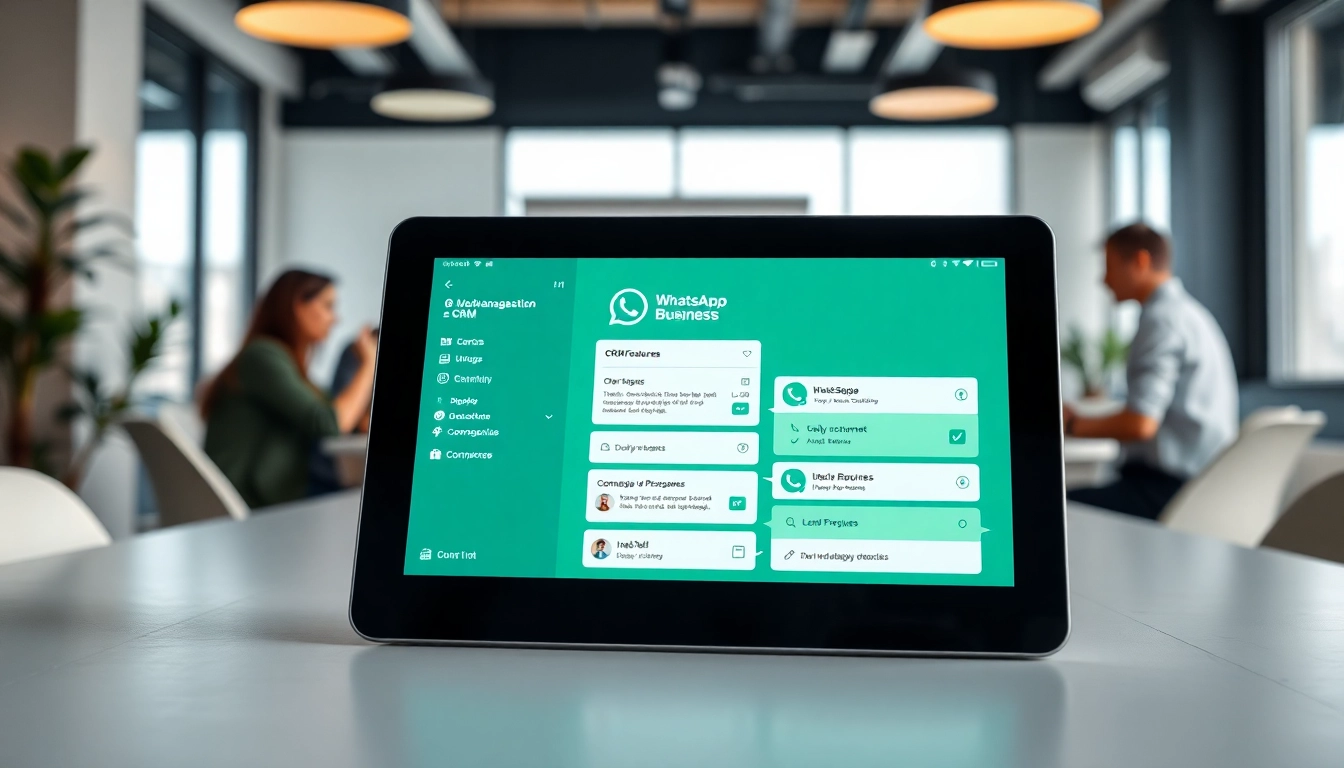
Unlocking Business Potential: The Power of WhatsApp Business CRM
In today's fast-paced digital landscape, customer communication emerges as a critical pillar of business success. Among various communication platforms, WhatsApp stands out, bolstered by its wide reach and user-friendly interface. For businesses seeking to optimize customer engagement and streamline communication, integrating a WhatsApp Business CRM is a game-changer. This article delves into the intricacies of WhatsApp Business CRM, elucidating its importance, setup process, best practices, challenges, and techniques to measure success.
Understanding WhatsApp Business CRM and Its Importance
What is WhatsApp Business CRM?
A WhatsApp Business CRM is a system designed to manage customer relationships using the WhatsApp messaging platform. This integration enables businesses to leverage the ease of WhatsApp for communications while utilizing CRM functionalities, such as tracking customer interactions, managing leads, and automating responses. By combining the interaction simplicity of WhatsApp with the analytical capabilities of a CRM, businesses can create more personalized and impactful customer experiences.
Benefits of Using WhatsApp Business CRM
- Enhanced Customer Engagement: With billions of active users, WhatsApp provides a direct channel to customers, fostering responsive and meaningful interactions.
- Streamlined Communication: Businesses can centralize conversations, making it easier to manage inquiries, feedback, and support efficiently.
- Automation Capabilities: The ability to automate responses helps reduce response time and improve customer satisfaction.
- Detailed Analytics: Track customer interactions and behaviors to tailor marketing strategies and boost sales conversion rates.
Key Features to Look For
When selecting a WhatsApp Business CRM, consider the following features:
- Easy Integration: Ensure that the CRM seamlessly integrates with your existing tools and systems.
- Messaging Automation: Look for automation options such as templated replies and chatbots to enhance efficiency.
- Customer Segmentation: The ability to categorize customers based on behaviors or preferences to tailor communication strategies.
- Analytics and Reporting: Robust analytics to track performance metrics and evaluate customer interactions effectively.
Setting Up Your WhatsApp Business CRM Effectively
Choosing the Right Tools for Integration
Setting up a WhatsApp Business CRM begins with selecting the appropriate tools that fit your business needs. Evaluating various CRM solutions that offer WhatsApp integration is crucial. Look for software that aligns with your business size, communication volume, and specific customer engagement strategies. Popular options often include functionalities specifically designed for WhatsApp, enhancing overall workflow.
Step-by-Step Setup Process
- Register for WhatsApp Business: Start by creating an official WhatsApp Business account. This involves downloading the app and verifying your business phone number.
- Select a CRM Platform: Choose a CRM that offers WhatsApp integration as a native feature or through API.
- Link the Accounts: Integrate your WhatsApp Business account with the selected CRM. This step typically involves API configuration.
- Customize Your Setup: Customize the CRM to match your business requirements, including creating templates and setting up automation rules.
- Train Your Team: As with any new system, ensure that your team is trained on using the WhatsApp Business CRM effectively.
Customization for Your Business Needs
One of the significant benefits of implementing a WhatsApp Business CRM is the ability to tailor the system to fit your specific business requirements. Customization may include setting distinct messaging flows for different customer segments, designing exclusive promotional templates, and configuring automated responses relevant to your audience. This level of personalization enhances the customer experience and improves engagement rates.
Best Practices for Using WhatsApp Business CRM
Engaging Customers Effectively
Customer engagement is pivotal to the success of any business. Utilizing WhatsApp Business CRM effectively means engaging customers through timely, relevant, and personalized communication. Start by regularly updating customers on new products, services, or promotions, ensuring these messages are concise and valuable. Make use of multimedia formats— such as images, videos, or voice messages— to enrich your communications. Additionally, encourage feedback after interactions to refine the communication process continually.
Automating Messaging and Responses
Automation is one of the standout features of a WhatsApp Business CRM. By using automation tools, businesses can handle routine inquiries without human intervention, allowing support teams to focus on more complex customer issues. Implementing automated responses for frequently asked questions (FAQs), order confirmations, and appointment reminders can increase efficiency and customer satisfaction while providing a consistent experience.
Tracking and Analyzing Customer Interactions
Monitoring customer interactions not only helps in understanding trends but also guides ongoing improvements in strategy and processes. Utilize the analytics within your WhatsApp Business CRM to measure response times, customer satisfaction rates, and interaction volumes. Regularly review these metrics to identify any gaps or areas for enhancement, ensuring that your customer engagement strategies remain effective and competitive.
Common Challenges and Solutions in WhatsApp Business CRM
Data Privacy Concerns
Data privacy remains a primary concern for businesses and customers alike. Organizations must ensure compliance with data protection regulations while handling customer information. This involves adopting best practices for data encryption, consent management, and secure data storage. Regular training for employees on data security can further mitigate risks and reassure customers about their privacy.
Handling Customer Queries Efficiently
As customer volumes increase, so do inquiries. It's vital to ensure your WhatsApp Business CRM can scale efficiently. One approach is implementing chatbots that can provide basic information and direct customers to the appropriate department or agent for complex queries. Additionally, utilize FAQs and message templates that can quickly address common questions, improving overall response times.
Overcoming Integration Issues
Integration challenges can often arise when linking CRM systems with WhatsApp. To overcome these hurdles, invest in a reputable CRM that specializes in WhatsApp integrations. Collaborating with a technical team during the setup process can also streamline operations. Regular updates and maintenance checks can further prevent integration issues over time.
Measuring Success with WhatsApp Business CRM
Key Performance Indicators to Monitor
Measuring success is crucial for any strategy's effectiveness. Key performance indicators (KPIs) to monitor with your WhatsApp Business CRM include:
- Response Times: The average time taken to respond to customer inquiries.
- Customer Satisfaction Scores: Metrics gathered from feedback surveys after interactions.
- Lead Conversion Rates: The percentage of inquiries converting into sales.
- Engagement Rates: Tracking the frequency and type of interactions customers have with the communication platform.
Techniques for Continuous Improvement
Continuous improvement involves regular assessments of performance metrics alongside customer feedback. Regularly reviewing processes can uncover bottlenecks, which can then be addressed to improve overall efficiency. Additionally, staying updated with the latest features of WhatsApp Business and customer engagement trends can help optimize strategies continually.
Case Studies of Successful Implementations
Examining case studies of businesses that have successfully implemented WhatsApp Business CRM can provide valuable insights into effective practices. Successful stories often highlight the importance of understanding customer needs, setting specific goals, and utilizing the CRM’s capabilities fully. Learning from these implementations can guide your own strategies, highlighting what approaches have led to measurable success.
In a world where customer connections matter like never before, investing in a WhatsApp Business CRM could be the strategic move that propels your business forward. By recognizing its importance, setting it up effectively, and following best practices, your business can significantly enhance its customer engagement capabilities, tackle challenges efficiently, and measure success accurately.