
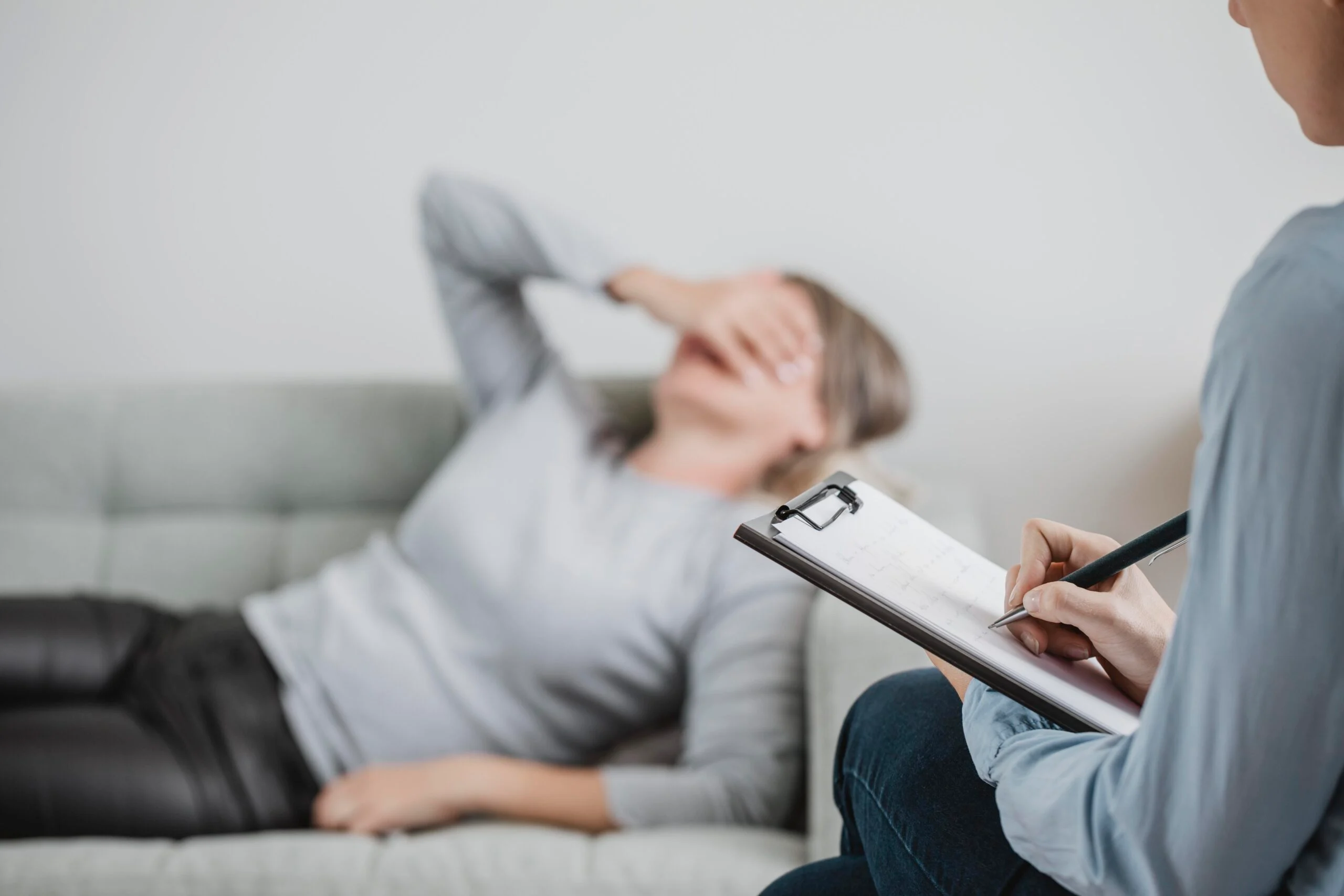
In today’s fast-paced world, stress and anxiety have become common experiences for many people. From school deadlines to work pressures and personal responsibilities, it is normal to feel overwhelmed at times. However, learning effective strategies to manage Stress and anxiety is crucial for maintaining emotional health, improving focus, and leading a balanced life. At Calm Minds Hub, we aim to simplify evidence-based mental wellness practices and provide practical guidance to help you regain control over your mind and emotions.
Understanding Stress and Anxiety
Before exploring strategies for relief, it is essential to understand what stress and anxiety are.
Stress is the body’s natural response to challenges or demands, often triggering physical and emotional reactions like increased heart rate, muscle tension, and irritability. While short-term stress can motivate action and focus, prolonged stress can negatively affect health.
Anxiety is a feeling of unease, worry, or fear about future events. Unlike stress, which is usually linked to a specific cause, anxiety can be persistent and overwhelming even without a clear trigger.
Common Causes of Stress and Anxiety
Several factors can contribute to stress and anxiety, including:
- Academic or work pressures
- Financial concerns
- Relationship difficulties
- Major life changes, such as moving or career shifts
- Health issues
- Social expectations and peer pressure
Understanding the root causes of stress and anxiety can help you address them effectively.

Daily Stress and Anxiety Relief Strategies
Incorporating daily strategies can help manage stress and anxiety before they become overwhelming. Here are some practical techniques:
1. Practice Mindful Breathing
Mindful breathing is a simple yet powerful technique to calm your mind and reduce anxiety. Focusing on your breath helps shift attention away from stressful thoughts and brings clarity.
How to practice:
- Find a quiet place and sit comfortably.
- Close your eyes and inhale slowly through your nose for four counts.
- Hold your breath for four counts.
- Exhale slowly through your mouth for six counts.
- Repeat this cycle for 5–10 minutes daily.
2. Engage in Physical Activity
Exercise is one of the most effective ways to reduce stress and anxiety. Physical activity releases endorphins, natural chemicals in the brain that enhance mood.
Examples include:
- Walking, jogging, or cycling
- Yoga or stretching exercises
- Dance or aerobics
- Sports such as basketball or swimming
Even short, 15-minute sessions can improve mood and lower stress levels.
3. Maintain a Healthy Lifestyle
Lifestyle choices play a significant role in managing stress and anxiety.
- Balanced diet: Eating nutritious foods can stabilize mood and energy levels. Include fruits, vegetables, whole grains, and lean proteins.
- Adequate sleep: Aim for 7–9 hours of sleep per night to allow your body and mind to recover.
- Limit caffeine and alcohol: Excessive consumption can increase anxiety symptoms.
4. Use Journaling to Express Emotions
Writing down thoughts and feelings helps organize your mind and reduces emotional burden. Journaling can provide perspective, identify triggers, and track patterns in stress and anxiety.
Tip: Start each day with a “mental check-in,” noting your emotions, worries, and goals for stress management.
5. Practice Mindfulness and Meditation
Mindfulness encourages being present in the moment and observing thoughts without judgment. Regular mindfulness practice can reduce anxiety, improve focus, and enhance emotional resilience.
How to start:
- Spend 10 minutes focusing on your breath or sensations in your body.
- Observe your thoughts as they arise and gently bring attention back to the present.
- Use guided meditation apps or online resources to support daily practice.
6. Connect with Supportive People
Social support is essential for emotional well-being. Talking to trusted friends, family members, or a therapist can provide relief and perspective.
Real-life example: A student feeling anxious about exams might find comfort in sharing concerns with a mentor or friend, helping reduce feelings of isolation.
7. Limit Exposure to Stress Triggers
Identifying and reducing exposure to stressors can help maintain balance.
- Set boundaries with work or study time
- Limit time on social media if it increases anxiety
- Break large tasks into smaller, manageable steps
8. Engage in Hobbies and Creative Activities
Participating in enjoyable activities can distract the mind, relieve stress, and boost emotional well-being. Examples include:
- Painting, drawing, or crafting
- Playing a musical instrument
- Cooking or gardening
- Reading or writing creatively
9. Practice Gratitude
Gratitude helps shift focus from stressors to positive aspects of life. Daily reflection on what you are thankful for can improve mental health and resilience.
Example: Before bed, write down three things that went well during the day and how they made you feel.
10. Seek Professional Support When Needed
Sometimes stress and anxiety can become overwhelming. Consulting a mental health professional can provide guidance, therapy, or medication when necessary. Cognitive-behavioral therapy (CBT), mindfulness-based therapy, and other evidence-based approaches have proven effective in reducing anxiety.
Stress and Anxiety Relief in Everyday Life
Incorporating these strategies consistently can help create a daily routine that promotes mental wellness. Here is a sample approach for everyday balance:
- Morning: Mindful breathing or meditation for 5–10 minutes.
- Daytime: Short walks or light exercise breaks during work or study.
- Afternoon: Journaling to process emotions or organize tasks.
- Evening: Hobbies, creative activities, or connecting with friends.
- Before Bed: Gratitude reflection and limited screen time to promote restful sleep.
Real-Life Case Study
Case Study: Sarah, a high school student, experienced constant stress due to academic pressure and social expectations. She began practicing mindful breathing each morning, walked for 20 minutes after school, and journaled her feelings in the evening. Over three months, Sarah noticed reduced anxiety, improved focus, and better emotional balance. By combining physical activity, mindfulness, and self-expression, she achieved practical relief from stress and anxiety.
Conclusion
Stress and anxiety are natural parts of life, but they do not have to control your daily experience. By adopting practical strategies such as mindful breathing, exercise, journaling, mindfulness, and social support, you can regain balance and cultivate emotional well-being. Small, consistent steps create lasting change, allowing you to navigate life’s challenges with calmness and clarity. At Calm Minds Hub, we encourage compassionate self-care and evidence-based practices to help you thrive mentally, emotionally, and socially. Discover more insights by visiting our homepage anytime.
FAQs
What are the most effective daily strategies for stress and anxiety relief?
Daily strategies include mindful breathing, physical activity, journaling, practicing mindfulness, connecting with supportive people, and maintaining a healthy lifestyle. Combining these techniques creates lasting emotional balance.
Can lifestyle changes really reduce anxiety levels?
Yes. Adequate sleep, a balanced diet, exercise, and limiting caffeine and alcohol can stabilize mood and lower anxiety. Lifestyle adjustments enhance resilience and improve overall mental wellness.
When should I seek professional help for stress and anxiety?
Seek professional support if stress or anxiety becomes persistent, overwhelming, or interferes with daily life. Therapists can offer evidence-based treatments like cognitive-behavioral therapy, which effectively reduces anxiety symptoms.