Understanding the Impact of Florida Hurricane Damage
Florida is no stranger to the destructive forces of nature. The state’s geographical location makes it particularly vulnerable to hurricane activity, leading to devastating consequences for communities, infrastructure, and local economies. The discussion around Florida Hurricane Damage encompasses a variety of elements, from the origins of hurricane damage and its historical context to the community responses and future preparedness strategies. This article aims to provide a comprehensive overview of hurricane damage in Florida, delving into its physical effects, community initiatives, insurance considerations, and the outlook for the future.
Overview of Florida Hurricane Damage
What Constitutes Hurricane Damage?
Hurricane damage refers to the destruction and adverse effects caused by hurricanes, which can manifest in various forms. This includes:
- Physical Damage: Structural damage to buildings, homes, and infrastructure such as roads and bridges.
- Environmental Damage: Damage and erosion to coastal areas, wetlands, and natural habitats due to storm surge and high winds.
- Economic Damage: Financial losses incurred by businesses and livelihoods surrounding affected areas, including disruption of services and job loss.
- Psychological Impact: Emotional distress and mental health challenges faced by residents post-hurricane.
Historical Context of Hurricanes in Florida
Florida has experienced hurricanes for centuries, with some of the most notable storms recorded in history. From the Great Hurricane of 1935 to Hurricane Andrew in 1992, each storm has left an indelible mark on the state. The increasing frequency and intensity of hurricanes, particularly over the last few decades, suggest a changing climate and greater risks associated with hurricane damage. For instance, Hurricane Irma in 2017 caused over $50 billion in damages, substantially altering the landscape of recovery efforts in the region.
Recent Hurricanes and Their Impact
Recent hurricanes such as Hurricane Milton and Hurricane Helene have underscored the ongoing threats faced by Floridians. Hurricane Milton, for instance, made landfall as a Category 3 storm, resulting in catastrophic damages estimated at around $100 billion. The storm affected countless properties, uprooted lives, and necessitated extensive recovery measures. Local governments have had to seek innovative funding solutions, such as the proposal for tolls on tourists to aid in reconstruction efforts, highlighting the pressing need for sustainable recovery strategies.
Physical Effects of Florida Hurricane Damage
Structural Damage to Homes and Infrastructure
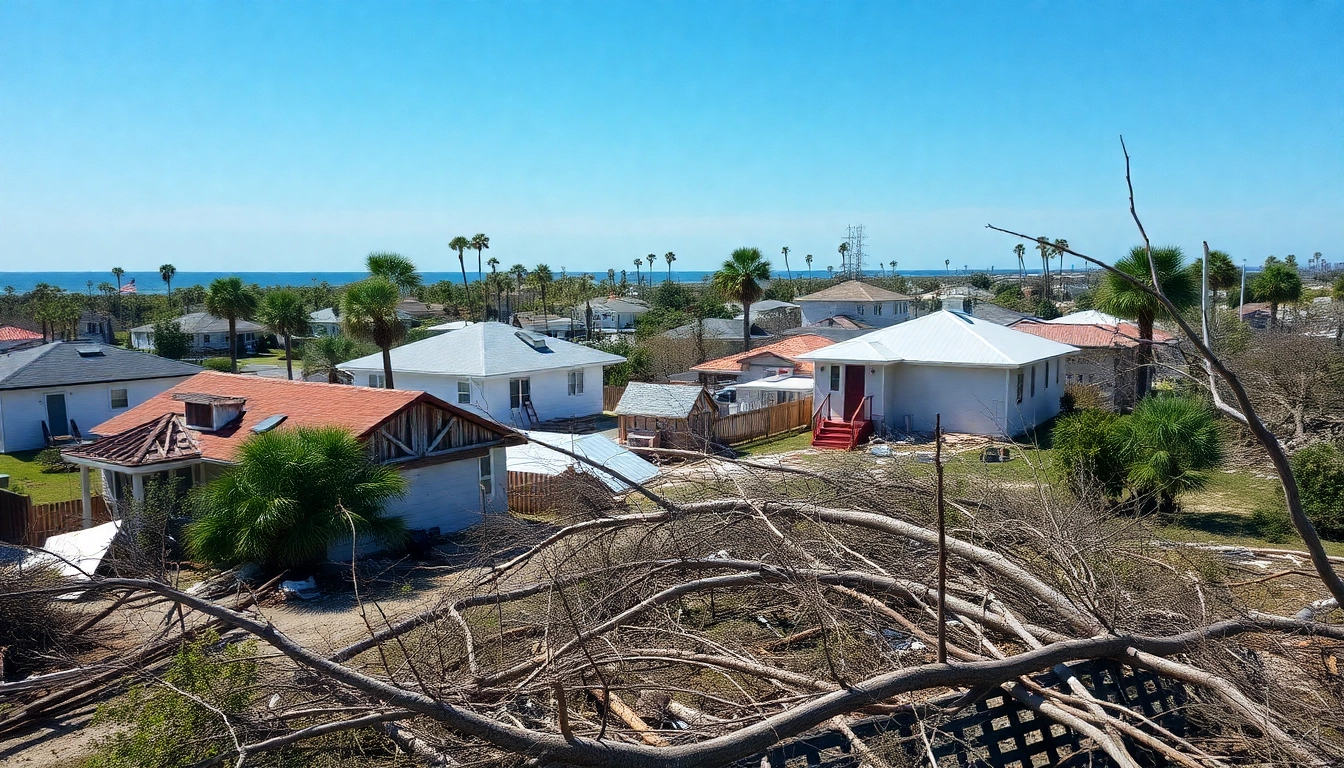
The most apparent impact of hurricanes is the structural damage caused to homes and infrastructure. Wind speeds exceeding 100 mph can strip roofs, shatter windows, and cause walls to collapse. The aftermath often reveals neighborhoods devastated by fallen trees, debris-laden roads, and destroyed utilities. Communities are frequently left without essential services such as electricity, water, and internet, exacerbating recovery efforts. The costs associated with repairs and reconstruction can be staggering, often stretching local budgets beyond capacity.
Environmental Impact on Natural Landscapes
Hurricanes can severely disrupt Florida's delicate ecosystems. Storm surges, rising sea levels, and heavy rainfall can lead to significant flooding and coastal erosion, altering habitats and threatening wildlife. Consequently, critical areas such as mangroves and wetlands suffer, diminishing their protective capabilities against future storms. This environmental degradation not only impacts the flora and fauna but also affects tourism, which is vital to Florida’s economy.
Long-term Effects on Local Economies
Beyond immediate physical destruction, the long-term economic effects of hurricane damage can be profound. Affected businesses may close permanently, leading to job losses and decreased local spending. Infrastructure repairs take time and resources, leading to a slow recovery period for the community. Additionally, the emotional toll on residents may hinder economic revival as communities wrestle with the mental health challenges brought on by such catastrophic events.
Community Response to Florida Hurricane Damage
Emergency Preparedness and Evacuation Strategies
The foundation of a resilient community lies in its preparedness for emergencies. Effective evacuation strategies are essential. Florida has established comprehensive evacuation plans that include designated shelters, transportation routes, and communication channels for warnings. Residents are encouraged to have emergency kits, including supplies such as food, water, medications, and important documents. Public education initiatives emphasize the importance of staying informed and ready, reducing panic in the face of impending hurricanes.
Support Services and Aid for Affected Residents
Community support is paramount following a hurricane. Local governments and non-profit organizations often mobilize to provide immediate relief to affected residents. Services include temporary housing, food distribution, and mental health support. Volunteer organizations play a crucial role in rebuilding efforts, bringing in both financial support and manpower for reconstruction. Long-term aid is also critical, as many residents require assistance in navigating insurance claims and financial recovery plans.
Community Initiatives for Recovery
In the aftermath of a hurricane, community-driven recovery initiatives can be significantly beneficial. Local groups may come together to assess needs within the community, organize clean-up efforts, and provide resources to those directly impacted. Creating a culture of resilience involves engaging citizens in long-term planning for disaster response and recovery. Community gardens, local businesses, and neighborhood watch programs can foster unity and strengthen the social fabric essential for collective healing and rebuilding.
Insurance and Financial Considerations
Navigating Claims for Florida Hurricane Damage
Navigating insurance claims after hurricane damage can be a daunting task for homeowners. Understanding the terms of one’s policy is crucial, as policies often vary in coverage and exclusions. Homeowners must document damage thoroughly through photographs, inventories, and receipts to ensure proper claims processing. Engaging with a public adjuster can also prove beneficial in maximizing claim outcomes and expediting financial recovery.
Understanding Coverage Options and Limitations
Floridians must be aware of the coverage options available to them, particularly concerning hurricane damage. Standard homeowner's insurance policies may not cover specific types of storm-related damage, leading many to purchase additional windstorm coverage. Assessing one’s coverage limitations is critical, and residents should consult with their insurance agents to identify any gaps in their policies. Effective financial planning for potential out-of-pocket costs can help mitigate stress in the recovery phase.
Government Assistance Programs Available
Following a hurricane, government assistance programs provide much-needed support to affected residents. Programs include grants for temporary housing, home repairs, and even funding for disaster-related expenses. Organizations such as FEMA play a crucial role in disaster response, offering resources and aid to individuals and communities in distress. Understanding how to access these resources quickly can make a significant difference in recovery.
Future Outlook on Hurricane Preparedness in Florida
Advancements in Weather Forecasting and Technology
The landscape of hurricane forecasting has evolved dramatically over the years, providing more accurate predictions and timely alerts. Advancements in technology allow meteorologists to analyze vast amounts of data from numerous sources, improving the precision of storm tracking. Enhanced communication methods, including mobile alerts and social media updates, facilitate timely warnings to communities at risk, increasing overall preparedness.
Building Resilience in Coastal Communities
Building resilience is a multi-faceted challenge for coastal communities in Florida. Implementing smarter land use planning, establishing building codes designed to withstand hurricanes, and investing in natural barriers like mangrove restoration can significantly enhance a community's ability to withstand hurricane-related impacts. Educational programs focusing on community preparedness and resilience increase local engagement in disaster planning efforts, leading to stronger bonds and shared responsibility.
Policy Changes and Funding for Disaster Recovery
Future policy changes will likely play a crucial role in shaping Florida's response to hurricanes. Advocating for policies that secure funding for disaster recovery and infrastructure improvements, alongside strong environmental regulations, is critical for long-term sustainability. Continuous dialogue among policymakers, local leaders, and residents ensures that recovery efforts address the unique needs of Florida's diverse communities, paving the way for informed decisions that promote resilience.
Conclusion
Florida remains at the forefront of hurricane impacts due to its geographical positioning. As climate patterns change and storms grow more potent, understanding the full scope of Florida Hurricane Damage is more important than ever. By enhancing community preparedness, improving infrastructure resilience, and supporting recovery initiatives, Floridians can mitigate the devastating effects of future hurricanes. Through collective efforts, proactive measures, and informed policy decisions, Florida can evolve and emerge stronger in the face of nature’s challenges.