The Essentials of Petite Sirah
Origin and History of Petite Sirah
Petite sirah is a rich and intriguing wine varietal that has captured the hearts of wine enthusiasts worldwide. Originally developed in France, this wine's journey begins in the 1880s when it was created by crossing syrah with peloursin—a lesser-known grape. While most notable for its pronounced tannins and dark color, petite sirah has slowly carved out a reputation in the winemaking world over the years. In the 20th century, as winemakers in California recognized the potential of petite sirah, its popularity skyrocketed, solidifying its place as one of the stars of the American wine scene. Today, petite sirah is primarily associated with California, where the warm climate and diverse terroir allow this grape to flourish.
Characteristics of Petite Sirah Grapes
The petite sirah grape is distinct for its small size, which contributes to the concentrated flavors and high tannin levels found in the wine. The skins are thick, which not only gives the wine its inky color but also enhances its aging potential. These grapes typically exhibit robust flavors of black fruit, including blackberry and plum, often rounded out by notes of chocolate, pepper, and spice. The balance of acidity and tannins makes petite sirah a versatile choice, suitable for various winemaking approaches and enabling it to age gracefully over several years.
Winemaking Techniques for Petite Sirah
Winemaking techniques for petite sirah vary widely, allowing producers to create a diverse array of styles. Traditionally, many winemakers employ techniques like extended maceration to extract maximum color and tannin from the grape skins. Some opt for oak aging, which imparts additional flavors like vanilla, toast, or smoke to complement the wine's natural fruitiness. Additionally, blending petite sirah with other varietals, such as zinfandel or cabernet sauvignon, is common to enhance complexity and structure. The meticulous choices made during vinification reveal the unique terroir of the region and highlight the characteristics of the grapes.
Tasting Notes: What to Expect from Petite Sirah
Flavor Profile of Petite Sirah
The flavor profile of petite sirah is a complex tapestry of rich and bold elements. On the palate, one can expect a medley of dark fruits like blackberry, blueberry, and plum. As the wine opens, secondary flavors may emerge, featuring earthy tones, hints of cocoa, black pepper, and sometimes even floral notes or herbs. The intense flavors are complemented by firm tannins and a velvety texture, resulting in a full-bodied wine that leaves a lasting impression.
Aromas Commonly Found in Petite Sirah
The aromatic experience of petite sirah is just as compelling as its taste. As you swirl the glass, expect to encounter enticing aromas of dark fruit, such as ripe currants and plums, mingled with pepper, licorice, and sometimes tobacco or leather. Depending on the aging process and vineyard location, there may also be sweet undertones of chocolate and vanillin from oak barrels. This complex bouquet invites you to dive deeper into the experience of the wine.
Food Pairings that Complement Petite Sirah
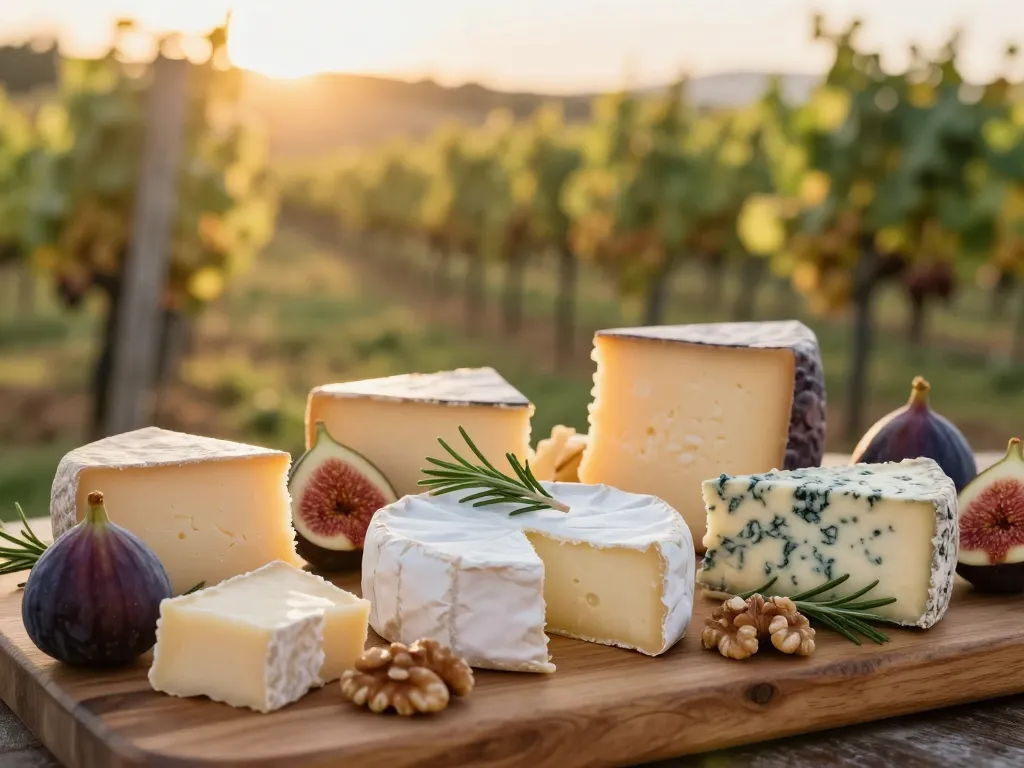
Pairing food with petite sirah is a delightful adventure, as its bold nature makes it versatile with numerous dishes. Rich meats such as grilled lamb, beef short ribs, or a hearty steak benefit from the wine's tannins, cutting through fat and enhancing flavors. For vegetarian options, dishes that incorporate earthy ingredients, like mushrooms or roasted root vegetables, resonate well with the wine's depth. Additionally, petit sirah's fruity and spicy notes make it a delightful companion to strong cheeses, hearty pasta dishes, and even barbecue varieties.
Wine Regions Best Known for Petite Sirah
Top Locations Producing Quality Petite Sirah
While originally developed in France, petite sirah shines brightest in the hands of California winemakers today. Notably, the regions of Paso Robles, Napa Valley, and Sonoma County have become synonymous with high-quality petite sirah production. Paso Robles, in particular, boasts diverse soil types and a climate that is ideal for nurturing this grape, resulting in expressive wines that showcase the varietal's inherent characteristics. Emerging regions, such as Lodi and the Central Coast, are also gaining recognition for their unique expressions of petite sirah.
Climate Impact on Petite Sirah Grapes
The climate plays a significant role in shaping the characteristics of petite sirah grapes. Warm days followed by cool nights allow for proper ripening while preserving acidity, which is vital for balanced wines. Regions with diurnal temperature variation can enhance flavor concentration while maintaining freshness. In cooler regions, petite sirah may develop more nuanced fruit profiles, showcasing elegance, while warmer areas often lead to richer, bolder interpretations.
Understanding Terroir in Petite Sirah
Terroir, a French term encompassing the environmental factors that contribute to the characteristics of the wine, significantly influences petite sirah. Factors such as soil composition, elevation, and microclimates shape the flavor and aroma profiles of wines from different regions. For example, terraced vineyards in hilly regions may experience varied sunlight exposure, allowing grapes to mature at different rates, which can enhance complexity. Understanding terroir helps consumers appreciate the nuances in each bottle of petite sirah they encounter.
Buying and Enjoying Petite Sirah
How to Choose the Right Petite Sirah
Choosing the right petite sirah can be an enjoyable yet daunting experience, given the myriad of options available. When selecting a petite sirah, consider the producer's reputation, vineyard practices, and vintage conditions. Look for tasting notes that emphasize the flavor profile and aromas you enjoy. If you're new to petite sirah, starting with a moderately priced bottle from a reputable winery can provide a good introduction to the varietal's characteristics without overwhelming the palate.
Storage Tips for Petite Sirah
Proper storage is essential to ensure that petite sirah retains its flavors and tannic structure over time. Store bottles upright in a cool, dark place with stable temperatures, ideally between 50-60°F (10-15°C). A wine cellar or a dedicated wine fridge can provide optimal conditions. Additionally, humidity levels should be maintained at around 60-70% to keep corks moist. Avoid exposing bottles to direct sunlight or vibrations, as these can negatively impact the wine's quality.
Tasting Techniques for Appreciating Petite Sirah
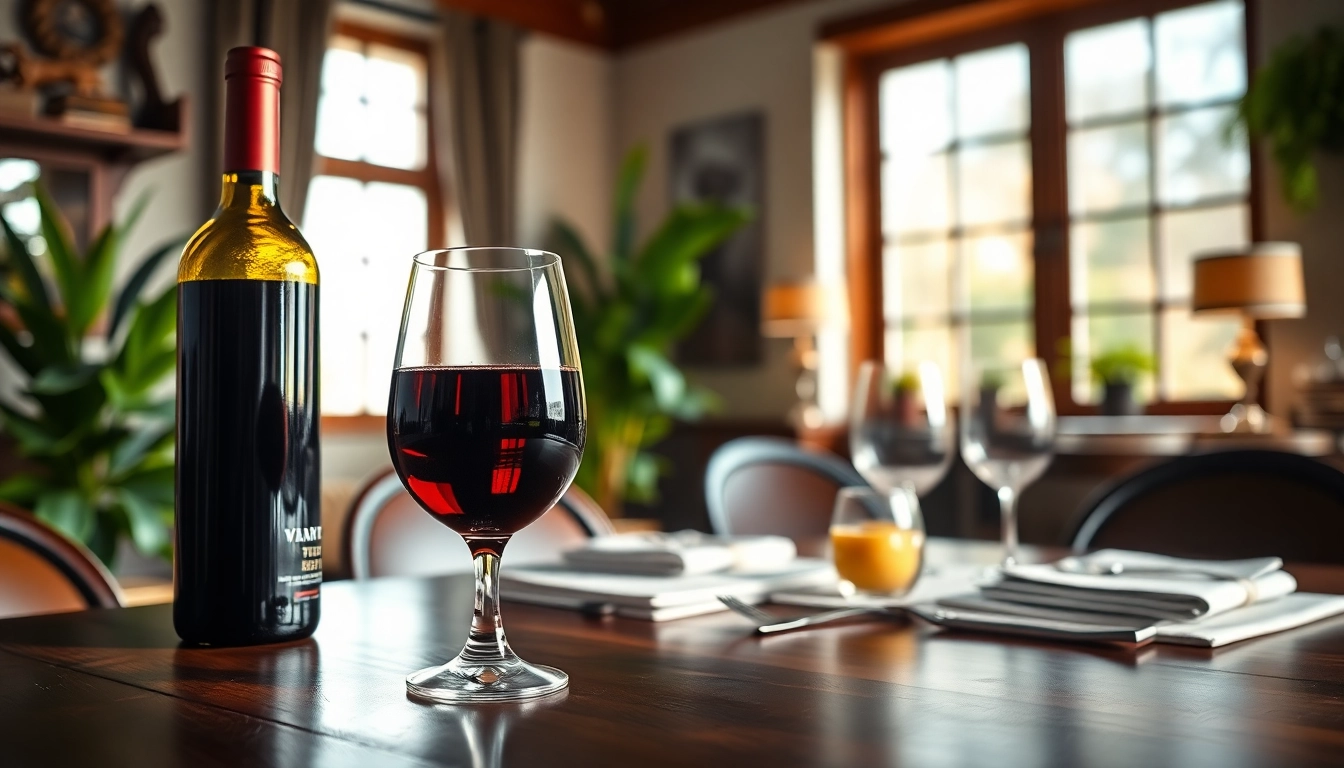
To fully appreciate petite sirah, it's important to employ effective tasting techniques. Start by pouring the wine into a clear glass and observe its color, noting its deep, inky hue. Swirl the glass gently to release the aromas, then bring it to your nose and inhale deeply, taking in the bouquet. Take small sips to explore the layers of flavors, letting the wine coat your palate. Consider keeping a tasting journal to note your impressions and preferences, enhancing your wine-tasting journey.
FAQs about Petite Sirah
What is the ideal serving temperature for petite sirah?
The best serving temperature for petite sirah is around 60-65°F (15-18°C) to enhance its complex flavors.
How long can petite sirah be aged?
Petite sirah can typically be aged for 5-10 years, depending on the producer and specific wine characteristics.
Is petite sirah sweet or dry?
Petite sirah is generally a dry red wine, known for its bold flavors and tannins, making it less sweet compared to many other wines.
What foods pair well with petite sirah?
Petite sirah pairs well with rich meats such as beef and lamb, as well as hearty pasta dishes and strong cheeses.
What distinguishes petite sirah from syrah?
Petite sirah, also known as durif, is a cross between syrah and peloursin, known for its bold tannins and darker, fruitier flavor profile.
Whether you're a seasoned oenophile or new to the world of wine, exploring petite sirah offers an opportunity to discover a rich history, bold flavors, and versatile pairings. Petite sirah invites you on a sensory journey that showcases the artistry of winemaking and the nuances of terroir.