
Understanding Visceral Fat: A Comprehensive Guide
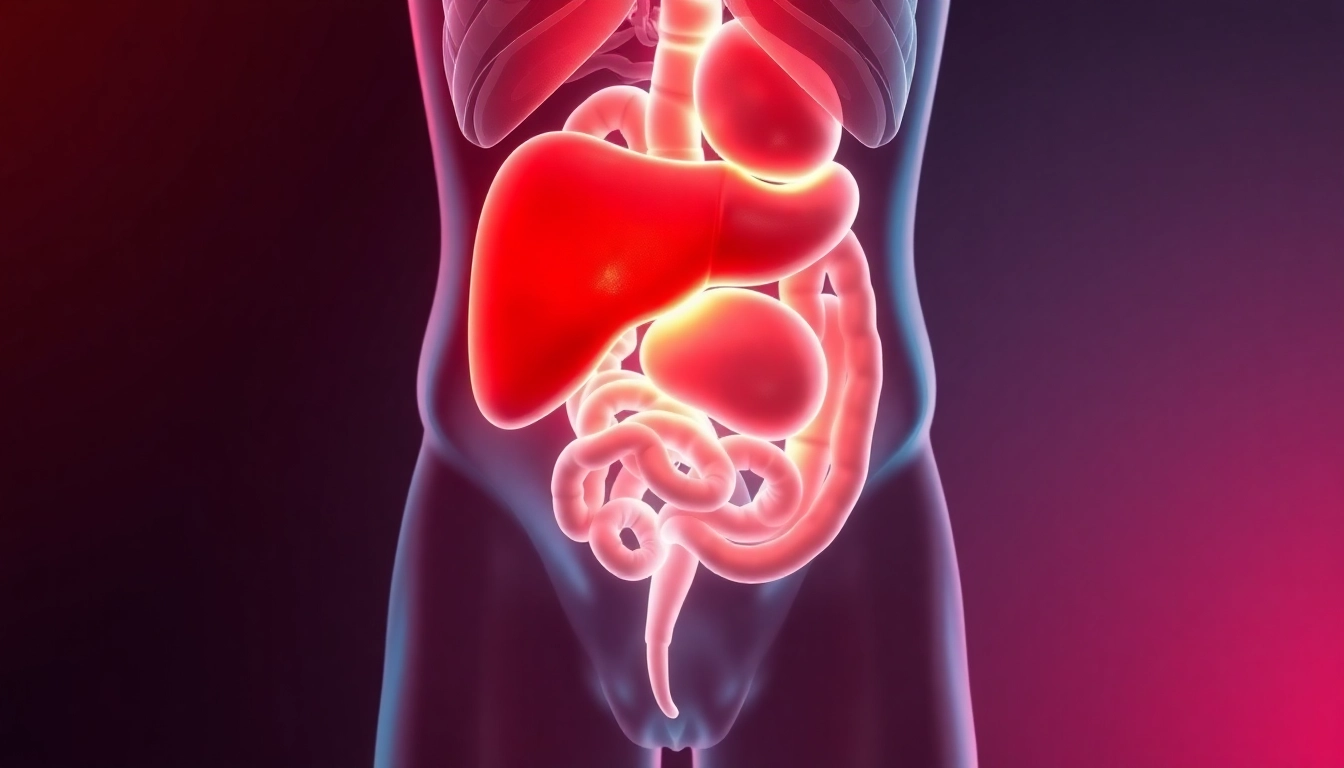
Visceral fat is a significant health concern that tends to be overlooked. Unlike subcutaneous fat, which lies just below the skin and can be pinched, visceral fat is stored deeper in the abdomen, surrounding vital organs such as the liver, pancreas, and intestines. Its accumulation can lead to serious health risks, including heart disease, diabetes, and other metabolic disorders. Understanding the nature, implications, and reduction strategies for visceral fat is essential for maintaining long-term health. In this guide, we'll explore everything you need to know about visceral fat, from what it is to how to manage it effectively. For more detailed insights into your health and body fat, visit visceral fat.
What Is Visceral Fat?
Defining Visceral Fat
Visceral fat, often referred to as "hidden fat," is located in the abdominal cavity. Unlike subcutaneous fat, which is located just beneath the skin, visceral fat is stored around internal organs and can contribute to serious health issues. When we think about body fat, we often picture the soft layers of fat that can be pinched on our arms or legs. However, visceral fat is much more insidious; it cannot be seen or felt in the same way, making it dangerous because its health effects can go unnoticed until significant complications arise.
How It Differs from Subcutaneous Fat
Subcutaneous fat, which makes up about 90% of body fat, is the type you can pinch. It serves as a protective layer for muscles and bones, provides energy, and regulates temperature. On the other hand, visceral fat makes up the remaining 10% and is more bioactive. It releases hormones and inflammatory markers, affecting metabolism and potentially leading to various health issues. While subcutaneous fat is generally less harmful, visceral fat is known to be linked with increased health risks.
Health Risks Associated with Visceral Fat
The most concerning aspect of visceral fat is its association with multiple health risks. Research indicates that excess visceral fat can lead to:
- Cardiovascular Diseases: Visceral fat is known to increase the risk of heart disease by promoting inflammation and disrupting the body’s ability to respond to insulin.
- Type 2 Diabetes: The presence of visceral fat can lead to insulin resistance, one of the primary precursors to type 2 diabetes.
- Metabolic Syndrome: A cluster of conditions that include increased blood pressure, high blood sugar, excess body fat around the waist, and abnormal cholesterol levels.
- Certain Cancers: Studies suggest that a higher amount of visceral fat is linked to increased risks of breast, colorectal, and pancreatic cancers.
- Liver Disease: Excess visceral fat can lead to fatty liver disease, which can progress to inflammation and irreversible damage.
Signs You May Have Excess Visceral Fat
Identifying Symptoms
Identifying excess visceral fat can often be tricky, as it does not always present clear symptoms. However, certain indicators may hint at its presence:
- Developing a larger waist circumference (>40 inches for men, >35 inches for women).
- Experiencing fatigue or low energy.
- Regularly feeling bloated.
- Noticing an increase in cravings for sugary and processed foods.
- Having a family history of diabetes or heart disease.
Measuring Visceral Fat: Tools and Techniques
While there are various methods to gauge body fat percentage, specific techniques are more effective for measuring visceral fat:
- Waist Measurement: A simple method to assess visceral fat. A waist measurement exceeding the aforementioned thresholds is indicative of higher visceral fat levels.
- Body Mass Index (BMI): While BMI does not directly measure visceral fat, a higher BMI may correlate with increased visceral fat.
- Imaging Techniques: Advanced imaging techniques such as MRI or CT scans provide accurate measures of visceral fat, but they are typically only used in clinical settings.
- Bioelectrical Impedance Analysis (BIA): Many scales and devices now incorporate BIA, which can estimate body fat percentages, including visceral fat, based on electrical resistance.
The Role of Body Mass Index (BMI)
BMI is a widely used metric to categorize individuals into different weight categories based on their height and weight. While it doesn't distinguish between types of fat, a high BMI can indicate a higher risk for visceral fat accumulation. It is essential to pair BMI results with other measurements (like waist circumference) to assess health risks more accurately.
Causes of Accumulation of Visceral Fat
Dietary Factors Contributing to Visceral Fat
Diet plays a crucial role in body composition. Specific dietary habits associated with increased visceral fat include:
- High Sugar Intake: Consuming high amounts of sugary beverages and processed foods can lead to weight gain, particularly in the abdominal area.
- Trans Fats: Found in baked goods and processed snacks, trans fats have been linked to increased visceral fat accumulation.
- Low Fiber Diet: A diet lacking in fruits, vegetables, and whole grains can lead to higher visceral fat levels due to ineffective digestion and increased cravings.
- Excessive Caloric Intake: Consistently consuming more calories than the body can expend leads to fat storage, with excess visceral fat being one of the outcomes.
Lifestyle Choices Impacting Fat Composition
In addition to diet, lifestyle factors can significantly impact visceral fat levels:
- Sedentary Behavior: A lack of physical activity contributes heavily to weight gain and increased visceral fat storage.
- Stress: High-stress levels may elevate cortisol, a hormone associated with fat accumulation, particularly in the abdominal region.
- Insufficient Sleep: Poor sleep quality can lead to hormonal imbalances that increase appetite and cravings, leading to weight gain.
- Alcohol Consumption: Chronic drinking can promote fat storage around the organs, further contributing to visceral fat accumulation.
Genetics and Hormonal Influences
Genetic predisposition plays a notable role in fat distribution throughout the body, including visceral fat. Factors such as hormonal fluctuations—especially those related to hormones like cortisol and insulin—can also influence how fat is stored. For instance, hormonal changes during menopause can lead to an increase in visceral fat due to a decrease in estrogen levels.
How to Reduce Visceral Fat Effectively
Nutrition Strategies for Reduction
Adopting a nutritious, balanced diet is critical in managing and reducing visceral fat. Here are some actionable strategies:
- Prioritize Whole Foods: Focus on whole grains, lean proteins, healthy fats from nuts and avocados, and plenty of fruits and vegetables.
- Reduce Sugar Intake: Minimize consumption of added sugars and highly processed foods, opting for natural sweeteners or whole fruits instead.
- Increase Fiber: A high-fiber diet supports digestion and helps control hunger, facilitating weight management.
- Healthy Fats: Incorporate sources of omega-3 fatty acids, such as fatty fish and flaxseeds, which have been linked with reduced fat accumulation.
Exercise Routines That Target Visceral Fat
Physical activity is crucial for reducing visceral fat. Here are effective exercise types:
- Cardiovascular Exercises: Activities such as running, cycling, and swimming help burn calories and promote fat loss.
- Strength Training: Building muscle through resistance training increases metabolic rate, helping to reduce overall body fat.
- High-Intensity Interval Training (HIIT): Short bursts of high-intensity exercise followed by rest periods have shown to be effective in reducing visceral fat.
Behavioral Changes Leading to Long-term Success
Creating lasting change requires commitment and often the alteration of daily habits. Here are some behavioral strategies:
- Set Realistic Goals: Aim for gradual weight loss rather than drastic changes to develop sustainable habits.
- Self-Monitoring: Keep a food diary or use apps to track meals and exercise routines, helping to identify patterns and accountability.
- Consistent Routines: Establish regular eating and exercise schedules to create habit and stability.
- Mindfulness Practices: Techniques such as meditation and mindful eating can help manage stress levels and promote healthy eating habits.
Monitoring Progress and Maintaining Your Goals
Using Technology to Track Visceral Fat
Monitoring your visceral fat levels can help track progress and maintain accountability. Consider using:
- Wearable Devices: Fitness trackers can monitor activity levels, heart rate, and calories burned, providing valuable data for assessing habits.
- Mobile Apps: Use health apps to log meals, exercise, and weight changes, aiding in tracking progress.
- Regular Medical Check-Ups: Regular health screenings that include body composition analysis can provide insights into visceral fat levels.
When to Reassess Health and Fitness Goals
It's vital to periodically reassess your health goals. Factors such as changes in lifestyle, age, or health conditions may warrant adjustments to your fitness plans. If you're not seeing progress or have plateaued, it may be time to adjust your diet, exercise regimen, or seek professional guidance.
Support Systems and Professional Guidance
Engaging with support systems, whether through family, friends, or professional resources, can enhance your chances of success. Consider working with:
- Nutritionists: To create tailored meal plans that meet your unique needs and objectives.
- Personal Trainers: To design effective exercise routines focused on reducing visceral fat.
- Support Groups: Connecting with others who share your goals can provide motivation and accountability.
In summary, visceral fat is a considerable health risk that requires attention and action. By understanding its nature, identifying excess levels, and effectively implementing strategies for reduction, it is possible to improve not only body composition but also overall health. A comprehensive approach involving dietary changes, exercise, and supportive behaviors is essential for combating visceral fat and fostering long-term wellness.