In modern vehicle performance and drivetrain efficiency, differential parts play a critical role in ensuring smooth power distribution, traction control, and long-term durability. Whether for daily driving, off-road applications, or performance builds, understanding how differential parts function helps vehicle owners make smarter maintenance and upgrade decisions. In this guest post, brought by Yotamasters, we explore how differential systems work, why they matter, and how to choose the right components for reliability and performance in 2026 and beyond.
- Understanding Differential Parts in Modern Vehicles
- Why Differential Parts Matter for Performance and Safety
- Types of Differential Systems and Their Parts
- Common Signs of Worn Differential Parts
- Choosing the Right Differential Parts
- Maintenance Tips for Longer Differential Life
- Upgrading Differential Parts for Performance Builds
- The Role of Expert Suppliers in Differential Systems
- How Differential Technology Is Evolving: Smarter, Stronger, and Built for Modern Driving
- Final Thoughts
Understanding Differential Parts in Modern Vehicles
At its core, a vehicle’s differential allows wheels to rotate at different speeds while still receiving power from the engine. This becomes essential when turning corners, where the outer wheel must travel farther than the inner wheel.
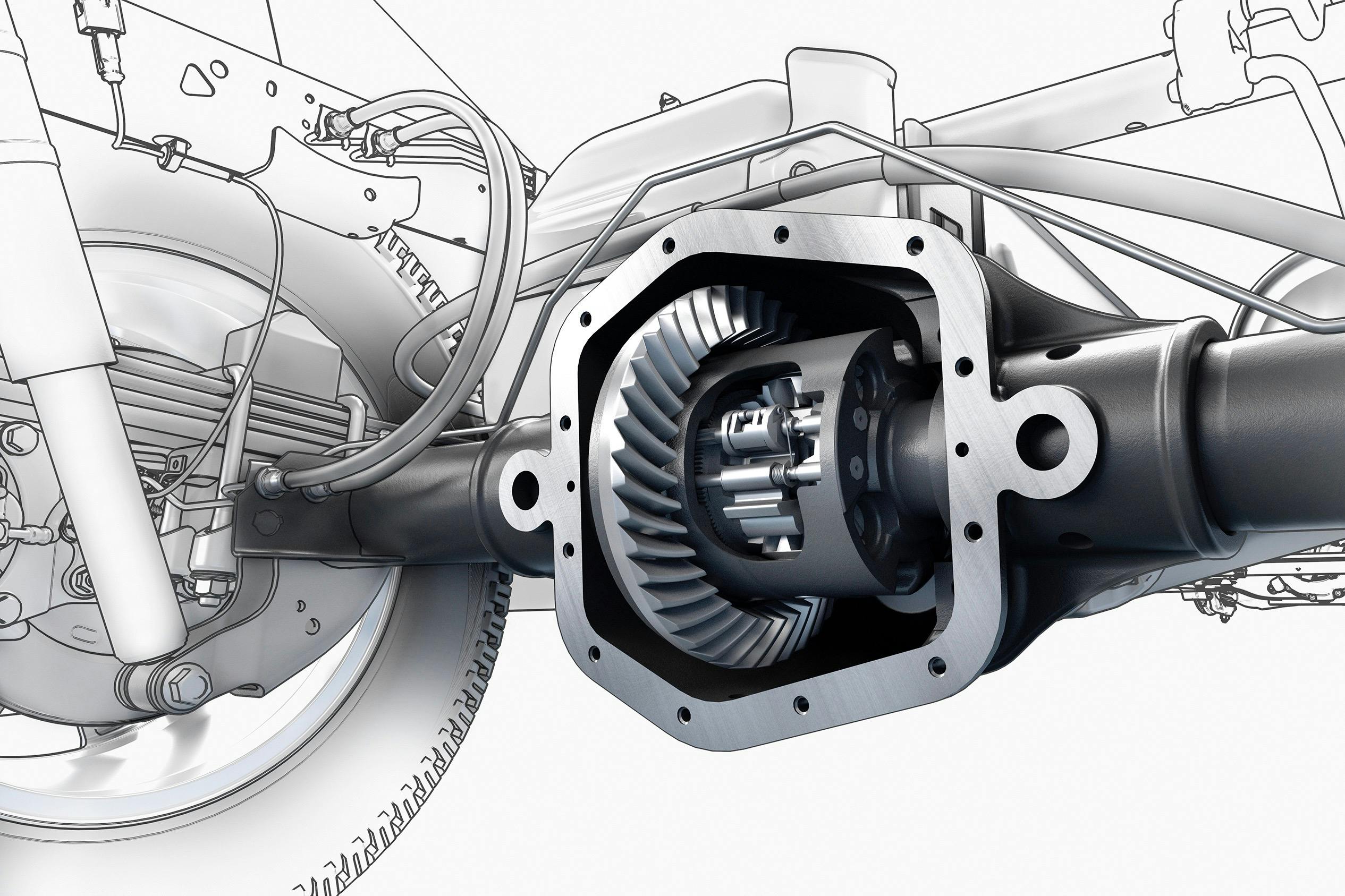
Key differential parts include:
- Ring and pinion gears
- Carrier assembly
- Spider gears
- Side gears
- Bearings and seals
- Differential housing
Each component works together to manage torque distribution and maintain stability under varying road conditions.
Why Differential Parts Matter for Performance and Safety
Many drivers overlook differential components until problems arise, but these parts directly impact vehicle safety, fuel efficiency, and handling precision.
Key benefits of well-maintained differential parts:
- Improved traction on wet or uneven surfaces
- Smoother cornering and reduced tire wear
- Better torque distribution for towing or hauling
- Enhanced off-road capability
- Increased drivetrain lifespan
When differential parts begin to wear, symptoms may include whining noises, vibrations, or uneven tire wear. Addressing these early can prevent costly drivetrain failure.
Types of Differential Systems and Their Parts
Not all differentials are built the same. Understanding the different types helps in selecting the right differential parts for replacement or upgrade.
1. Open Differential
The most common system found in standard passenger vehicles. It allows wheels to rotate at different speeds but provides limited traction in low-grip conditions.
2. Limited-Slip Differential (LSD)
This system uses clutch packs or helical gears to transfer torque to the wheel with more traction.
3. Locking Differential
Often used in off-road or heavy-duty applications, it locks both wheels on an axle together for maximum traction.
4. Electronic Differential Systems
Modern vehicles may use sensors and software to control torque distribution dynamically.
Each system requires specific differential parts, making compatibility crucial during repairs or upgrades.
Common Signs of Worn Differential Parts
Recognizing early warning signs can save drivers from expensive repairs.
Watch for:
- Grinding or whining noises during acceleration
- Difficulty turning smoothly
- Fluid leaks near the differential housing
- Excessive vibration from the rear or front axle
- Uneven or accelerated tire wear
If these symptoms appear, inspection and replacement of damaged differential parts should be prioritized.
Choosing the Right Differential Parts
With advancements in automotive engineering, selecting the right differential components has become more specialized. Vehicle owners must consider compatibility, driving conditions, and performance goals.
Factors to consider:
- Vehicle type (truck, SUV, performance car)
- Driving environment (urban, off-road, racing)
- Load requirements (towing capacity, cargo weight)
- Material durability (hardened steel, forged alloys)
- Gear ratio compatibility
Upgrading differential parts without proper matching can lead to inefficiency or even drivetrain damage. This is why expert guidance is often recommended.
Maintenance Tips for Longer Differential Life
Routine maintenance ensures that differential parts perform efficiently over time.
Best practices include:
- Regular differential fluid changes
- Inspecting seals for leaks
- Checking gear alignment during service
- Listening for unusual drivetrain noise
- Using manufacturer-recommended lubricants
Preventive maintenance significantly extends the life of internal components and reduces the likelihood of failure.
Upgrading Differential Parts for Performance Builds
Performance enthusiasts often upgrade differential parts to handle increased horsepower or torque. This is especially important in modified engines or off-road vehicles.
Popular upgrades include:
- High-strength ring and pinion gear sets
- Heavy-duty limited-slip differentials
- Reinforced carrier assemblies
- Performance-grade bearings
- Upgraded differential covers for heat management
These upgrades improve durability and ensure consistent power delivery under stress.
The Role of Expert Suppliers in Differential Systems
Choosing the right supplier is as important as choosing the right components. Reliable providers ensure that parts meet OEM or performance-grade standards.
Yotamasters, based in Corona, California, specializes in drivetrain and differential components designed for durability and precision fitment. Their expertise helps customers select compatible differential parts tailored to specific vehicle needs.
How Differential Technology Is Evolving: Smarter, Stronger, and Built for Modern Driving
The automotive industry is moving rapidly toward smarter, more efficient drivetrain systems, and differential parts are evolving alongside this shift. Rather than being purely mechanical components, modern differentials are increasingly integrated with software, sensors, and electrified powertrains.
Demand is growing for advanced differential components designed to support these next-generation systems, especially in performance, off-road, and EV applications.
Key developments shaping the future of differential systems include:
1. Software-Assisted Torque Distribution
Modern vehicles use advanced control systems to adjust torque in real time. Instead of relying only on mechanical gear movement, electronically controlled differentials and traction systems help improve stability, cornering, and grip under changing road conditions.
2. Electrification and EV Integration
Electric vehicles are reshaping how differential systems are designed. Many EV platforms now use integrated e-axles where the differential works alongside electric motors for precise torque delivery, improved efficiency, and reduced mechanical loss.
3. Lightweight and High-Strength Materials
Manufacturers are increasingly adopting advanced alloys and composite materials to reduce weight while maintaining durability. This helps improve fuel efficiency and supports higher torque loads in performance applications.
4. Sensor-Based Diagnostics and Smart Monitoring
New differential systems often include sensors that track temperature, vibration, and wear patterns. This allows early detection of issues and supports predictive maintenance, reducing unexpected failures.
5. Torque Vectoring and Performance Optimization
Advanced torque vectoring systems are becoming more common in both high-performance and EV platforms. These systems dynamically adjust power between wheels to enhance handling and cornering stability, especially in demanding driving conditions.
Why this matters for drivers and builders
These innovations are not just theoretical, they directly impact how vehicles handle, accelerate, and last over time. For enthusiasts, mechanics, and repair professionals, staying updated on modern differential parts ensures better upgrades, more reliable repairs, and improved overall drivetrain performance.
As the industry moves deeper into software-defined and electrified mobility, high-quality replacement and performance differential components will continue to be essential for maintaining control, safety, and driving confidence.
Final Thoughts
Understanding and maintaining differential parts is essential for anyone who values vehicle safety, performance, and longevity. From basic open differentials to advanced electronic systems, these components remain a foundational part of drivetrain engineering.
Whether upgrading for performance or replacing worn components, choosing high-quality parts from trusted suppliers like Yotamasters ensures reliability and long-term value. As automotive technology advances in 2026, staying informed about differential systems will remain a key advantage for drivers and enthusiasts alike.