Understanding Flexible Vinyl Plank Flooring
What is Flexible Vinyl Plank Flooring?
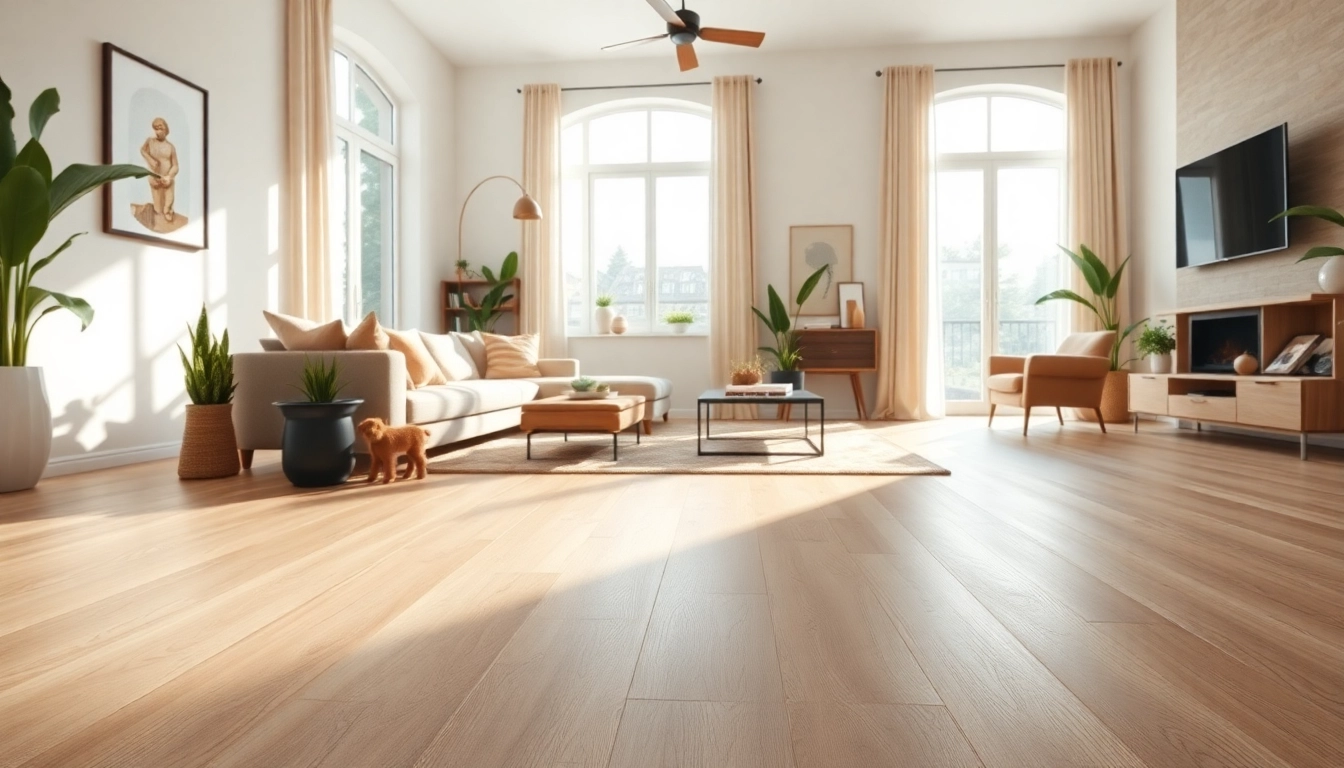
Flexible vinyl plank flooring is a type of resilient flooring made from polyvinyl chloride (PVC). Unlike traditional hardwood floors or stone tiles, this flooring option is designed to mimic natural materials while providing a softer, warmer underfoot. The flexibility of vinyl planks allows them to be installed in various environments, making them a versatile choice for homeowners. This innovative flooring solution has grown in popularity, thanks to its appealing aesthetics, cost-effectiveness, and durability. With options ranging from realistic wood grains to contemporary patterns, flexible vinyl plank flooring caters to diverse design preferences.
Key Features and Benefits
Flexible vinyl plank flooring offers a host of features and benefits that make it an attractive choice for both residential and commercial spaces:
- Water Resistance: Many vinyl planks are waterproof or water-resistant, making them ideal for areas prone to spills and moisture, such as kitchens and bathrooms.
- Durability: Vinyl plank floors are resistant to scratches, dents, and stains, ensuring they maintain their appearance even in high-traffic areas.
- Comfort: The slightly cushioned surface of vinyl planks provides comfort underfoot, making standing or walking on them for extended periods more enjoyable.
- Ease of Maintenance: Cleaning vinyl flooring is straightforward; a simple sweeping and mopping are generally sufficient to keep it looking its best.
- Affordability: Compared to traditional flooring options like hardwood or tile, flexible vinyl plank flooring usually comes at a lower price point, providing excellent value for money.
- Variety of Designs: Available in numerous styles, textures, and colors, vinyl planks can suit virtually any decor theme, from rustic farmhouse to modern minimalism.
Environmental Impact and Sustainability
When considering flooring options, sustainability is increasingly important for many people. While traditional vinyl flooring has faced criticism for its environmental impact, advancements in manufacturing processes have led to more eco-friendly products in recent years. Many brands now create flexible vinyl plank flooring using recycled materials and lower VOC (volatile organic compound) adhesives, reducing overall harmful emissions. Additionally, some products are recyclable at the end of their lifespan, contributing to a more sustainable flooring choice. The rise of certifications like FloorScore and Greenguard Gold has also helped consumers identify eco-friendly flooring options, allowing them to make more informed decisions.
Choosing the Right Flexible Vinyl Plank Flooring
Factors to Consider Before Purchase
Before investing in flexible vinyl plank flooring, take time to consider the following factors:
- Room Use: Assess the specific area where you plan to install the flooring. High-traffic zones may require thicker planks with better wear layers.
- Moisture Levels: If you’re flooring a bathroom or kitchen, opt for water-resistant or waterproof vinyl planks to prevent damage.
- Floor Height: Ensure that the new flooring won’t disrupt the height of doors and appliances, especially in renovations.
- Design Preferences: Choose styles and colors that complement your existing decor and personal style. Create a cohesive aesthetic throughout the space.
- Installation Method: Consider whether you want DIY installation or prefer professional help, as this can influence your choice of flooring.
Comparing Styles and Designs
When it comes to flexible vinyl plank flooring, the market boasts a plethora of styles and designs. From authentic wood looks with grain patterns and textures to contemporary tiles featuring geometric shapes, there is something to fit every design taste. Here are three popular styles to consider:
- Wood-Look Planks: These vinyl planks come in various wood finishes, imitating the beauty of natural hardwood. They are perfect for achieving a warm, rustic feel.
- Stone-Look Planks: If you’re aiming for the elegance of natural stone but need something more practical, stone-look vinyl offers the best of both worlds.
- Textured Finishes: Textured vinyl planks add depth and interest to your flooring, enhancing realism and providing a more sophisticated appearance.
Durability and Maintenance Tips
While flexible vinyl plank flooring is inherently durable, proper care is essential to prolong its lifespan. Here are some tips for maintaining your floors:
- Regular Cleaning: Sweep or vacuum to remove dirt and debris regularly. Wipe up spills promptly with a damp cloth or mop to prevent staining.
- Avoid Harsh Chemicals: Use gentle cleaning solutions to avoid damaging the flooring. Most manufacturers recommend pH-neutral cleaners specifically designed for vinyl.
- Use Protective Pads: Place felt pads underneath furniture legs to prevent scratches and dents and ensure that heavy furniture does not leave marks.
- Sufficient Humidity: Maintain an appropriate indoor humidity level to prevent the planks from expanding and contracting, which could lead to damage.
- Annual Deep Cleaning: Consider a professional cleaning or deep clean at least once a year to keep your vinyl looking brand new.
Installation Process for Flexible Vinyl Plank Flooring
Preparation and Tools Required
Preparing for the installation of flexible vinyl plank flooring is a crucial step towards achieving a successful outcome. Here’s what you need to do:
- Gather Tools: Commonly required tools include a utility knife, measuring tape, straight edge, flooring roller, and spacers.
- Acclimate Planks: Allow the planks to acclimate to the room’s temperature and humidity for at least 48 hours prior to installation.
- Subfloor Preparation: Ensure the subfloor is clean, dry, and level. Any imperfections can lead to uneven flooring and potential damage.
Step-by-Step Installation Guide
The installation of flexible vinyl plank flooring can be completed in several straightforward steps:
- Measure and Mark: Use a measuring tape to determine the area. Mark guidelines on the subfloor to ensure accurate alignment.
- Cut the Planks: Start laying your planks from the most visible corner of the room, cutting them as necessary to fit around edges and corners.
- Laying the Planks: Click-lock or glue-down installation methods vary slightly, but generally align each plank snugly with the previous one.
- Roll the Flooring: Use a flooring roller or a heavy object to press down on the planks, ensuring a strong bond and minimizing air bubbles.
- Install Trim: Finish the installation by adding trim or transitions, which help cover any gaps between the flooring and walls.
Common Mistakes to Avoid
Several common mistakes can occur during vinyl plank installation, including:
- Neglecting Acclimation: Failing to acclimate the planks can result in expansion or contraction after installation.
- Improper Subfloor Preparation: Skipping this step can lead to an unstable surface and potentially damage the planks.
- Ignoring Manufacturer Guidelines: Each product may have specific installation instructions that should be followed precisely.
- Cutting Corners: Taking shortcuts, such as overlapping seams, can compromise the quality of the installation.
Enhancing Your Space with Flexible Vinyl Plank Flooring
Creative Design Ideas
Flexible vinyl plank flooring can serve as a stunning backdrop for your interior design. Here are some creative ideas to enhance your space:
- Mix Patterns: Pair different colors or patterns of vinyl planks in adjacent rooms or sections to create visual interest.
- Accent Walls: Use vinyl planks creatively on walls to create accent features, making them a stylish addition to your decor.
- Define Spaces: Use variations in vinyl styles to demarcate different functional areas, such as open-plan living spaces.
Best Pairings with Furniture and Décor
The beauty of flexible vinyl plank flooring is that it can complement a wide range of furniture styles. Consider the following pairings:
- Modern Aesthetics: Pair clean-lined furniture with light-toned wood-look planks for a contemporary vibe.
- Rustic Charm: Darker, textured vinyl can beautifully complement rustic furniture and decor elements.
- Industrial Styles: Mix steel and wood pieces with stone-look vinyl planks for an updated loft feel.
Utilizing Colors and Patterns Effectively
Choosing the right colors and patterns can greatly impact the ambiance of your space. Here are some tips:
- Light Colors: Bright, light colors can make rooms appear larger and more open.
- Dark Shades: Rich, dark tones can add coziness while making a bold design statement.
- Pattern Variations: Subtle patterns or textures can enhance depth without making the space feel overwhelming.
FAQs About Flexible Vinyl Plank Flooring
How long does flexible vinyl plank flooring last?
Flexible vinyl plank flooring typically lasts between 10 to 20 years, depending on the quality of the product and proper maintenance.
Can flexible vinyl plank flooring be installed in bathrooms?
Yes, many varieties of flexible vinyl plank flooring are waterproof or water-resistant, making them suitable for bathrooms.
Is it easy to maintain flexible vinyl plank flooring?
Yes, maintaining flexible vinyl plank flooring is easy. Regular sweeping and occasional damp mopping are usually sufficient.
How does flexible vinyl plank flooring compare to hardwood?
Unlike hardwood, flexible vinyl plank flooring is more affordable, durable, and resistant to moisture but lacks the authentic grain patterns.
Can I install flexible vinyl plank flooring over existing floors?
Yes, flexible vinyl plank flooring can often be installed directly over existing floors, provided they are level and stable.